

If you’re looking for an energy-efficient way to heat and cool your home or business, heat pumps might be the perfect solution. These systems are increasingly popular in Massachusetts for their ability to maintain indoor comfort while lowering electricity bills. In this post, we’ll explain what heat pumps are, the different types available, how they work, and what to expect in terms of cost.
What is a heat pump system?
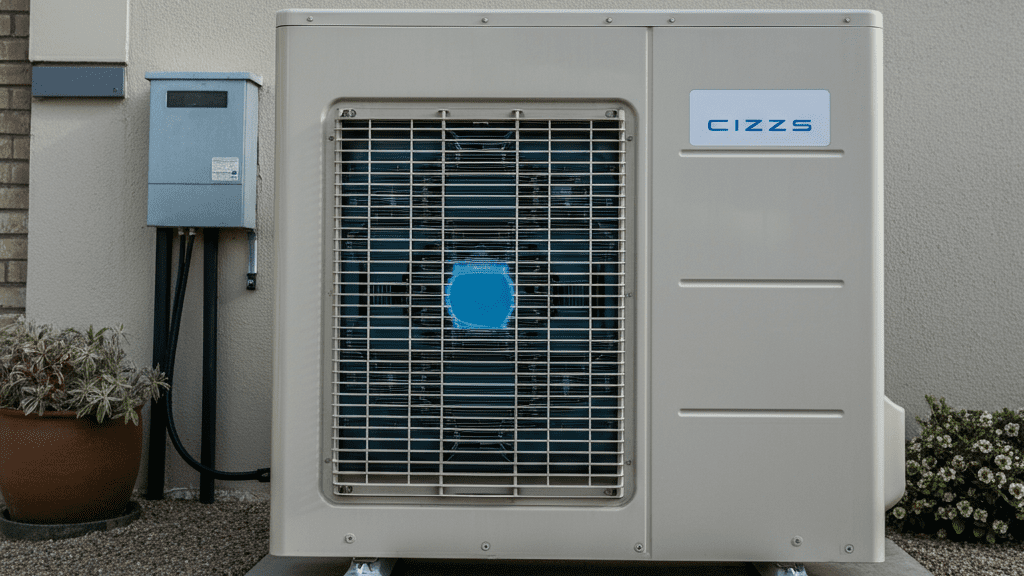
A heat pump is a system that transfers heat rather than generating it, making it far more energy-efficient than traditional HVAC systems. During the winter, it extracts heat from the outside air or ground and brings it indoors. In the summer, it reverses the process, functioning like an air conditioner by removing heat from inside the building.
Heat pumps can be used in residential, commercial, or industrial settings, and are a smart investment for anyone aiming to reduce their energy consumption.
Types of heat pumps
There are several types of heat pumps, each suited to different environments, building structures, and efficiency needs:
Ducted air-source heat pumps
These are the most common and use existing ductwork to distribute heated or cooled air throughout the property. They’re ideal for homes with a central HVAC system in place.
Ductless air-source heat pumps
Also known as mini-splits, these systems are perfect for homes without ducts. They consist of an outdoor unit and one or more indoor wall-mounted units, offering room-by-room temperature control.
Minisplit heat pumps
A subtype of ductless systems, minisplits are popular for retrofitting older homes, additions, or spaces where installing ductwork would be impractical. They’re compact, efficient, and provide zoned comfort.
Geothermal, or ground-source, heat pumps
These systems transfer heat to and from the ground, which maintains a more consistent temperature than air. They offer extremely high efficiency but require a larger upfront investment and space for underground loops.
Absorption heat pumps
Typically used in commercial or industrial applications, absorption heat pumps are powered by a heat source like natural gas or solar-heated water instead of electricity. They’re complex but can be ideal for specific high-demand environments.
How does a heat pump system work?
- The heat pump extracts heat from a source (air, ground, or water).
- The refrigerant inside the system absorbs and moves the heat.
- A compressor increases the refrigerant’s temperature.
- The heated (or cooled) refrigerant transfers energy into the indoor air.
- In cooling mode, the cycle reverses—removing indoor heat and releasing it outside.
Unlike furnaces or boilers, heat pumps do not burn fuel, making them a cleaner, more sustainable heating and cooling solution.
How much is a heat pump system?
The cost of a heat pump depends on several factors including system type, brand, installation complexity, and home size:
- Air-source heat pumps: $4,000 – $8,000
- Mini-split systems: $2,500 – $6,000 per zone
- Geothermal systems: $10,000 – $30,000 (including excavation and installation)
- Absorption heat pumps: Varies by custom design and scale
While initial costs may seem high, heat pumps offer long-term savings on energy bills and may qualify for rebates or tax incentives. MJ Pro Energy provides custom consultations to determine the best heat pump system based on your goals, property, and budget.
Talk to the experts at MJ Pro Energy and find out which solution fits your home or business best. Schedule your consultation today!