

Your HVAC (heating, ventilation, and air conditioning) system works hard to keep your Massachusetts home comfortable, but it relies on a crucial, often overlooked component: the air filter. This filter not only helps keep your system running efficiently but also plays a significant role in your home’s indoor air quality.
However, there’s a trade-off. filters that capture more particles can sometimes restrict airflow, potentially straining your HVAC system and reducing its efficiency. So, which filters offer the best airflow while still doing their job? Let’s dive into the world of HVAC filters.
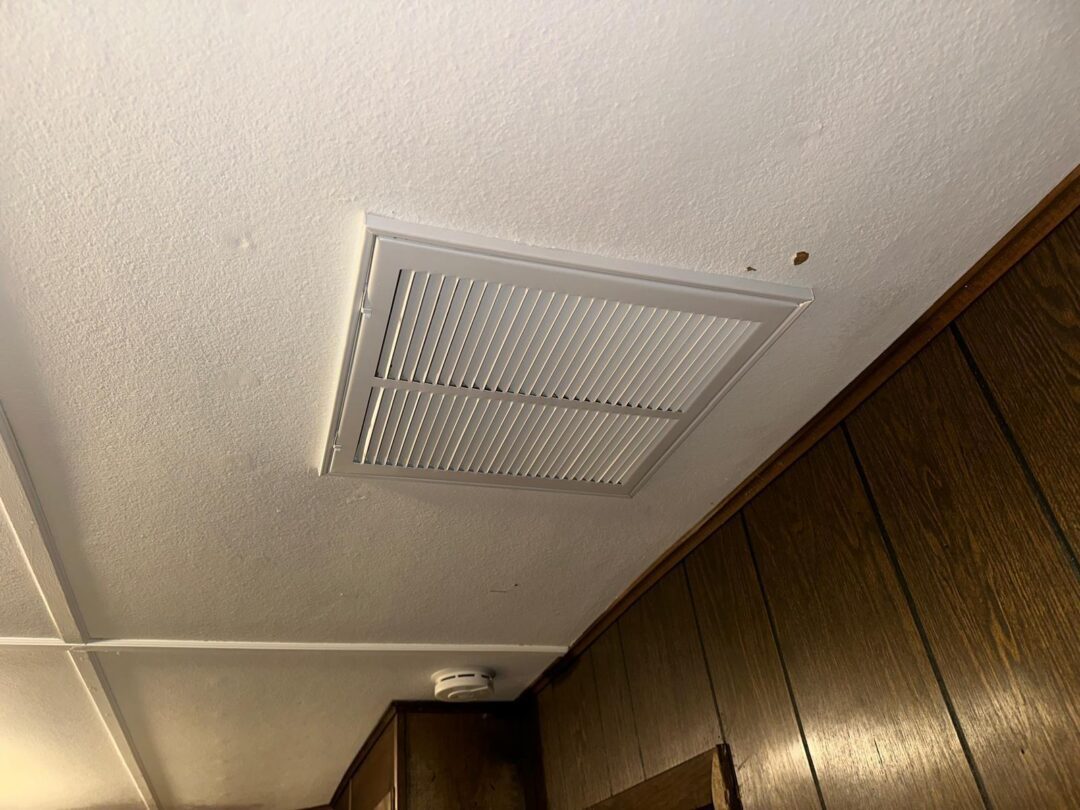
What are HVAC filters?
HVAC filters are inserts placed in your heating and cooling system’s ductwork, typically near the air handler or furnace. Their primary job is to trap airborne particles like dust, pollen, pet dander, mold spores, and other debris before they can enter the HVAC equipment or circulate throughout your home.
Clean filters protect your HVAC system from accumulating dirt (which reduces efficiency and can cause damage) and improve the air you breathe.
Types of HVAC Filters
Filters vary widely in material, construction, and filtration capability. Here are the common types:
Fiberglass air filters
- Description: these are typically the cheapest, disposable filters, often blue or green. They consist of spun fiberglass strands.
- Filtration: very basic. They primarily capture large particles like lint and dust bunnies, mainly protecting the HVAC equipment itself rather than significantly improving air quality.
- Airflow: offer the least resistance and therefore the highest airflow.
- MERV Rating: typically 1-4 (MERV stands for Minimum Efficiency Reporting Value; higher numbers mean better filtration).
Pleated air filters
- Description: made from denser paper or polyester material folded into pleats. This increases the surface area for capturing particles.
- Filtration: much better than fiberglass. They can capture smaller particles like pollen, mold spores, and pet dander.
- Airflow: offer more resistance than fiberglass, but well-designed pleated filters balance filtration and airflow effectively for residential systems.
- MERV Rating: typically range from 5 to 13.
HEPA Filters
- Description: High-Efficiency Particulate Air filters. These are the gold standard for air purification.
- Filtration: extremely high. They capture 99.97% of particles 0.3 microns in size, including bacteria, viruses, and fine allergens.
- Airflow: significantly restrict airflow due to their dense material. Most residential HVAC systems are not designed to handle the pressure drop caused by HEPA filters and require modification to use them effectively.
- MERV Rating: typically 17-20.
UV Filters
- Description: these aren’t traditional filters that trap particles. They use ultraviolet light to kill airborne bacteria, viruses, and mold spores as air passes by.
- Filtration: don’t remove particles, only sterilize microorganisms.
- Airflow: minimal impact on airflow.
- MERV Rating: not applicable (often used in addition to a particle filter).
Best HVAC air filters for home
Choosing the “best” filter involves balancing filtration needs with airflow requirements.
Which HVAC filters give best air flow?
Strictly speaking, fiberglass filters offer the least resistance and therefore the best airflow. However, their filtration capability is very poor.
Which HVAC fiberglass filters give best air flow?
All standard fiberglass filters (often the inexpensive blue or green ones) provide very high airflow because they are not dense. They prioritize airflow over filtration.
What type of filter is best for HVAC?
For most homes, the best balance between good filtration and adequate airflow is typically found in pleated filters with a MERV rating between 8 and 13.
- MERV 8: Good basic filtration for dust and pollen.
- MERV 11:captures finer particles like pet dander and mold spores.
- MERV 13: captures even smaller particles, including some bacteria and virus carriers. This is often considered the highest rating suitable for most residential systems without significantly impacting airflow or requiring system modification.
- Filters with higher MERV ratings (above 13) can overly restrict airflow in standard systems, potentially leading to reduced efficiency, increased wear and tear, and even system damage.
How often should HVAC filters be changed?
The frequency depends on several factors:
- Filter Type: cheap fiberglass filters might need changing monthly. pleated filters typically last 1-3 months.
- Household Factors: homes with pets, smokers, allergy sufferers, or ongoing renovations may require more frequent changes.
- System Usage: filters need changing more often during seasons of heavy heating or cooling.
- Manufacturer Recommendation: always check the filter’s packaging for specific guidelines.
Regularly checking your filter monthly is a good habit. If it looks dirty, change it, even if it hasn’t reached the recommended replacement interval.
Need help? Contact MJ Pro Energy
Choosing the right air filter and maintaining your HVAC system are crucial for efficiency and indoor air quality. If you’re unsure which filter is best for your specific system and needs in your Massachusetts home, or if you need professional HVAC maintenance, the experts at MJ Pro Energy can help.
We understand the balance between filtration and airflow and can recommend the optimal filters for your equipment. We also provide comprehensive HVAC maintenance services to keep your system running smoothly and efficiently year-round. Contact MJ Pro Energy today for expert advice and service.