

The cost of installing a heat pump can vary widely, influenced by the type of system, your home’s characteristics, and the efficiency levels you choose. While the upfront investment for a heat pump might be higher than a conventional air conditioner, the long-term energy savings and available incentives often make it a highly cost-effective solution.
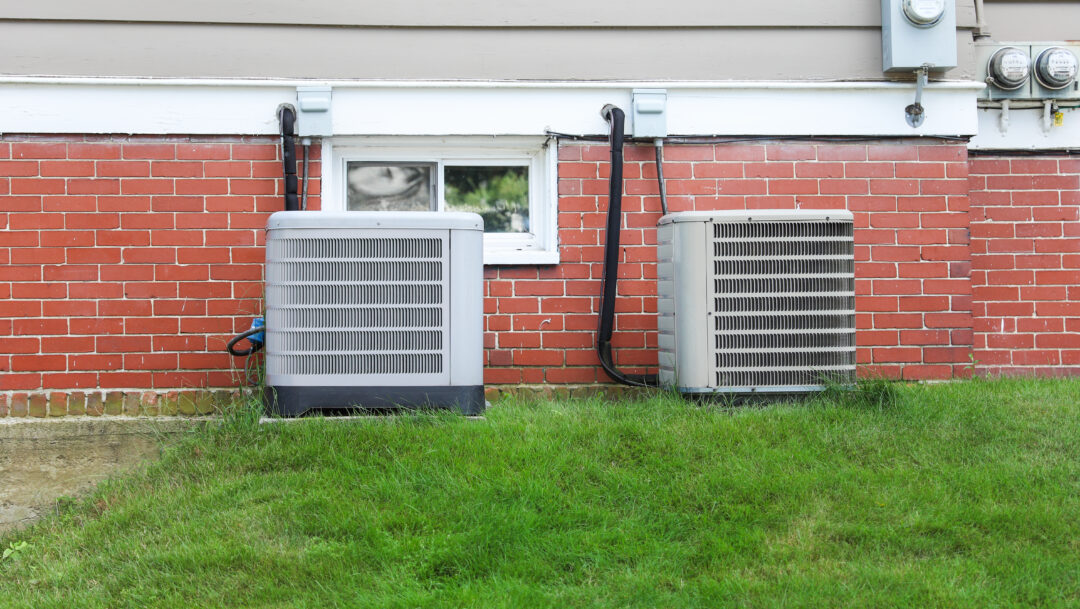
Average heat pump costs by type
Heat pumps come in several configurations, each suited to different home types and environmental conditions. Here’s a breakdown of average installed costs in the USA for 2025:
Air-source
- Average Installed Cost: $4,500 – $12,000
- Description: Air-source heat pumps are the most common type. They work by transferring heat between the indoor and outdoor air. In winter, they extract heat from the outside air (even cold air contains heat) and transfer it indoors. In summer, they reverse the process, moving heat from inside your home to the outside. This dual functionality means they replace both a furnace and an air conditioner. Costs vary based on size (tonnage), efficiency rating (SEER2/HSPF2), and brand. High-efficiency models or those designed for colder climates will be at the higher end of the range.
Ground-source
- Average Installed Cost: $15,000 – $38,000+
- Description: Also known as geothermal heat pumps, these systems leverage the stable temperatures of the earth (or a nearby body of water) to exchange heat. They involve burying a loop system of pipes underground, which is the primary reason for their higher upfront cost due to excavation. While the initial investment is substantial, ground-source heat pumps are the most energy-efficient type, offering significant long-term savings (often 40-60% on utility bills) and a much longer lifespan for the underground components (up to 50 years). The cost depends heavily on the type of loop system (horizontal, vertical, pond), soil conditions, and excavation complexity.
Ductless mini-splits
- Average Installed Cost:
- Single-zone: $2,000 – $6,000
- Multi-zone: $3,200 – $14,500+ (depending on the number of indoor units/zones)
- Description: Ductless mini-split heat pumps are ideal for homes without existing ductwork, additions, or for creating zoned heating and cooling. They consist of an outdoor unit connected to one or more indoor air handlers via a small conduit. Each indoor unit can control the temperature of a specific zone independently. The cost varies based on the number of indoor units (zones), their BTU capacity, and the complexity of running the refrigerant lines. While often more expensive than a window AC, they offer far superior efficiency and comfort.
Installation cost factors
The total cost of your heat pump project isn’t just about the equipment. Several factors related to your home and the installation process will influence the final price:
Size and layout of your home
- System Sizing: The square footage, insulation levels, window efficiency, and overall energy envelope of your home dictate the heating and cooling capacity (measured in tons or BTUs) your heat pump needs. An undersized unit won’t effectively heat or cool, while an oversized one will short-cycle, leading to inefficiency and premature wear. Larger homes require larger, more powerful, and thus more expensive units.
- Home Layout: Complex home layouts or multiple levels might require more extensive ductwork (for central systems) or more indoor units (for multi-zone mini-splits), increasing labor and material costs.
Ductwork needs
- Existing Ductwork: If you’re replacing a traditional ducted system, the condition of your existing ductwork is crucial. If it’s old, leaky, or improperly sized, it will need sealing, repairs, or even replacement, which can add $1,400 to $7,500 or more to the total cost.
- No Existing Ductwork: For homes without ducts (or if you’re adding a zone) and choosing a central air-source heat pump, installing new ductwork is a significant expense, potentially adding $3,000 to $10,000+ depending on the home size and complexity. This is why ductless mini-splits are often chosen for such scenarios.
Brand and efficiency rating
- Brand Reputation: Well-known, established brands often come with a higher price tag but typically offer superior warranties, reliability, and advanced features.
- Efficiency Ratings (SEER2, EER2, HSPF2): Higher efficiency ratings generally mean a higher upfront cost for the unit. However, these units consume less energy to operate, leading to greater long-term savings on your utility bills. Units with variable-speed compressors, for example, are more expensive but offer exceptional comfort and efficiency.
- Technology & Features: Features like smart thermostat compatibility, enhanced cold-climate performance, or advanced filtration can also influence the unit’s price.
Cost comparison: Heat Pump vs Traditional HVAC
When considering a new HVAC system, it’s essential to look beyond the initial purchase price and evaluate the long-term total cost of ownership.
| Feature | Heat Pump (Air-Source) | Traditional HVAC (AC + Gas Furnace) |
| Initial Purchase + Install | $4,500 – $12,000 | $5,000 – $11,000 (for separate AC and furnace units) |
| Monthly Operating Cost | $40 – $160 (more efficient, dual function) | AC: $80 – $200; Furnace: Varies by gas price (less efficient) |
| Annual Maintenance | $120 – $360 (needs 2 tune-ups as it runs year-round) | $140 – $400 (separate tune-ups for AC and furnace) |
| Lifespan | 15 – 20 years | AC: 15-20 years; Furnace: 15-25 years |
| Primary Energy Source | Electricity (highly efficient transfer, not generating heat) | Electricity (for AC); Natural Gas, Propane, or Oil (for furnace) |
| Federal Incentives (2025) | Up to $2,000 tax credit + potential rebates (significant) | Up to $600 tax credit (much lower) |
While a heat pump may have a slightly higher initial cost than a basic central AC plus furnace setup, this gap is often significantly reduced or even eliminated by federal tax credits and local rebates. Moreover, the superior energy efficiency of heat pumps, especially in moderate climates, leads to considerably lower monthly operating costs. Over a 5-10 year payback period, the energy savings typically offset the higher upfront investment.
Long-term savings and incentives
Choosing a heat pump isn’t just about initial cost; it’s a strategic investment in long-term savings and comfort.
- Significant Energy Bill Reductions: Heat pumps are incredibly efficient because they transfer heat rather than generating it. This can lead to 20-40% savings on your annual heating and cooling bills compared to conventional systems, and even more if you’re switching from oil, propane, or electric resistance heating (potential annual savings of $1,000+).
- Federal Tax Credits (as of 2025): The Inflation Reduction Act (IRA) offers substantial incentives for homeowners to upgrade to heat pumps:
- Energy Efficient Home Improvement Credit (25C): Provides a tax credit equal to 30% of the cost of eligible heat pumps, up to a maximum of $2,000 annually. To qualify for 2025, systems must meet new “ENERGY STAR Most Efficient” criteria. This credit can be claimed year after year for eligible improvements.
- Residential Clean Energy Credit (25D): For geothermal heat pumps, a separate credit offers 30% of the cost through 2032, with no annual limit. This credit also applies to solar energy systems and battery storage.
- State, Local, and Utility Rebates: Beyond federal incentives, many states, municipalities, and local utility companies offer additional rebates or low-interest financing options for installing energy-efficient heat pumps. These programs vary widely by location and can further reduce your upfront costs. MJ Pro Energy can help you identify and navigate available incentives in your area.
- Increased Home Value: An energy-efficient heat pump system is a highly desirable feature for prospective homebuyers, potentially increasing your home’s resale value.
- Reduced Carbon Footprint: Heat pumps significantly lower your home’s greenhouse gas emissions, contributing to a healthier environment.
How to get an accurate quote
To ensure you get the best heat pump system for your home at a fair price, follow these steps:
- Get Multiple Quotes: Contact at least 3-4 reputable HVAC contractors, including MJ Pro Energy, for detailed estimates. This allows you to compare pricing, proposed systems, and service quality.
- Request a Home Assessment (Load Calculation): A truly accurate quote requires a contractor to visit your home and perform a Manual J load calculation. This determines the precise heating and cooling needs of your house based on its size, insulation, windows, climate, and other factors. Without this, you risk an improperly sized system.
- Specify Your Needs: Clearly communicate your priorities: are you focused on maximum energy efficiency, specific comfort features, or a particular budget? Discuss any existing issues (like hot/cold spots) or future plans (like adding an extension).
- Review the Proposal Details: Ensure the quote is comprehensive and includes:
- Detailed breakdown of equipment (make, model, SEER2/HSPF2 ratings, size).
- All labor costs.
- Any necessary ductwork modifications, electrical upgrades, or permits.
- Warranty information (parts and labor).
- A timeline for installation.
- Information on how they handle old equipment removal and refrigerant disposal.
- Inquire About Incentives: Ask your contractor about all available federal, state, local, and utility rebates or tax credits for the specific heat pump models they recommend. A good contractor will be knowledgeable about these programs.
- Check References and Reviews: Verify the contractor’s reputation, licensing, and insurance. Read customer reviews and ask for references.
While the upfront cost is a key consideration, remember that a heat pump is a long-term investment. Choosing a quality system and a professional installer like MJ Pro Energy will ensure optimal performance, maximum energy savings, and reliable comfort for years to come.
Considering a heat pump for your home? Contact MJ Pro Energy today for a comprehensive home assessment and a transparent, accurate quote tailored to your needs.