

Basements often offer valuable extra space, but exposed HVAC ductwork can detract from their aesthetic appeal, making them feel unfinished and industrial. Whether you’re planning a full basement renovation or just looking to improve the look of an existing space, there are many smart and stylish ways to conceal ducts while maintaining efficiency and access.
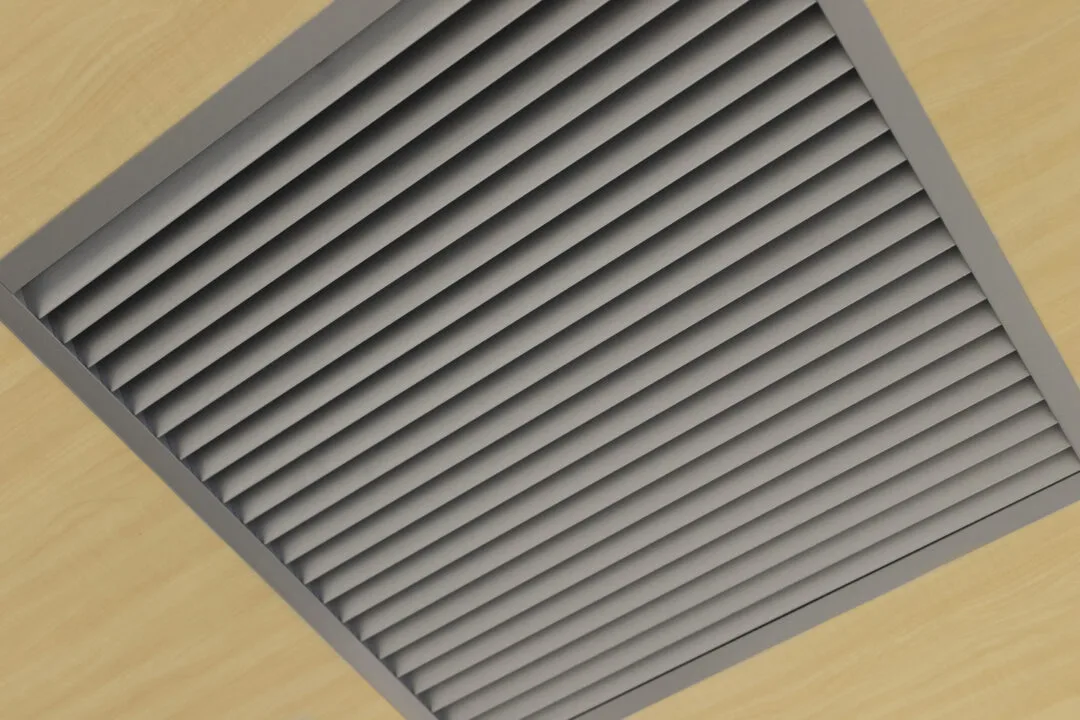
Common hide methods: Bulkheads, drop ceilings, boxing In
Transforming exposed ducts into integrated design elements requires creative planning.
- Bulkheads (Soffits):
- Description: This involves building framed enclosures around ductwork that protrudes below the main ceiling joists. They can run along walls, across a room, or form “beams.”
- Pros: Creates a clean, finished look. Can be designed to blend seamlessly with the room’s architecture, even incorporating lighting or shelving. Maintains most of the original ceiling height.
- Cons: Can still slightly reduce ceiling height in certain areas. Requires careful framing and drywall work.
- Drop Ceilings (Suspended Ceilings):
- Description: A secondary ceiling system installed below the main structural ceiling, consisting of a metal grid that supports removable tiles.
- Pros: Provides full concealment of all overhead ductwork, pipes, and wiring. Offers easy access to mechanical systems for maintenance or repairs simply by lifting tiles. Can improve acoustic performance.
- Cons: Significantly reduces overall ceiling height (typically 4-6 inches minimum). Can sometimes have a more “commercial” aesthetic, though residential-friendly tile options are available.
- Boxing In Individual Ducts:
- Description: Building a custom frame and covering it with drywall or other materials specifically around individual duct runs.
- Pros: Ideal for isolated duct runs that can’t be integrated into a larger bulkhead system. Creates a clean, beam-like look.
- Cons: Labor-intensive for complex duct paths. Can still impact ceiling height locally.
- Painting Exposed Ducts:
- Description: If full concealment isn’t desired or feasible, painting the exposed ductwork the same color as the ceiling (or a contrasting color for an industrial look) can help them blend in or become a design feature.
- Pros: Most cost-effective solution. Maintains full ceiling height. Quickest “hide” method.
- Cons: Doesn’t truly conceal; merely camouflages. Requires very clean ductwork for a good finish. Not suitable if ducts are very unsightly or if a perfectly smooth ceiling is desired.
Maintaining airflow & access
While concealing ducts, it’s crucial not to compromise the HVAC system’s functionality.
- Airflow is Paramount: Never cover or obstruct supply registers or return air grilles. Ensure any new enclosures or ceiling systems do not impede the flow of conditioned air into or out of the space. Obstruction will lead to uncomfortable temperatures, increased energy bills, and potential damage to your HVAC equipment.
- Access for Maintenance: HVAC systems, including ductwork, require periodic maintenance, inspections, and potential repairs.
- Access Panels: For bulkheads or boxed-in ducts, strategically place inconspicuous access panels (e.g., behind a vent grille, in a closet, or simply a removable drywall section) near critical components like dampers, balancing mechanisms, or areas prone to connection issues.
- Removable Panels: Drop ceilings offer inherent access, as tiles can be easily lifted.
- Professional Consultation: Consult with your HVAC technician about critical access points before you begin framing or finishing.
Moisture and insulation considerations
Basements are prone to moisture, which can be a significant issue for ductwork if not properly addressed during concealment.
- Condensation Risk: Cold supply ducts running through warm, humid basement air are highly susceptible to condensation forming on their exterior surfaces. This “sweating” can lead to:
- Mold and Mildew Growth: Inside the duct enclosure, on insulation, and on surrounding drywall, leading to poor air quality and potential structural damage.
- Water Damage: Dripping water can damage finished ceilings, walls, or basement contents.
- Reduced Efficiency: Wet insulation loses its effectiveness.
- Duct Insulation: All HVAC ductwork in basements, especially supply ducts carrying cold air, must be properly sealed and insulated before being enclosed.
- R-Value: Ensure insulation meets local code requirements (typically R-6 to R-12 for ducts).
- Vapor Barrier: The insulation must include an intact vapor barrier (often a foil or plastic facing) on the outside to prevent moisture from reaching the cold duct surface. Any tears in this barrier must be meticulously sealed.
- Air Sealing: Before insulating and enclosing, thoroughly seal all duct joints, seams, and connections with specialized duct mastic or UL-181 approved foil-backed tape. This prevents conditioned air from leaking out and humid basement air from entering the ducts, reducing condensation risk.
- Basement Dehumidification: Even with perfectly insulated and sealed ducts, a basement often benefits from a dedicated dehumidifier to control overall ambient humidity, further reducing condensation potential and improving comfort.
When to paint vs. Enclose
Deciding between painting and enclosing ducts depends on your aesthetic goals, budget, and the condition of the ductwork.
- When to Paint Exposed Ducts:
- Industrial/Loft Aesthetic: If you’re aiming for a modern, urban, or industrial look where exposed elements are part of the design.
- Budget Constraints: It’s the most cost-effective solution, requiring minimal labor compared to framing and drywall.
- High Ceilings: If your basement has very high ceilings, exposed ducts can be less visually intrusive.
- Clean & Simple Ducts: If the ductwork is relatively straight, neat, and in good condition (no excessive dents or rust).
- Temporary Solution: If you plan a full renovation much later but want an immediate improvement.
- When to Enclose Ducts (Bulkheads, Drop Ceilings, Boxing In):
- Traditional/Finished Aesthetic: When you want a seamless, residential look that hides all mechanical systems.
- Low Ceilings: While enclosures reduce height, they can sometimes make a low ceiling feel less cluttered than a tangle of exposed ducts.
- Unsightly/Complex Ductwork: If the ducts are old, damaged, or run in a very messy, visually disruptive pattern.
- Improved Acoustics: Enclosing ducts and adding sound-absorbing ceiling materials can help reduce HVAC noise.
- Insulation & Moisture Control: Offers a more controlled environment for insulating and sealing ducts, further mitigating condensation risks.
MJ Pro Energy design tips for clean aesthetic
At MJ Pro Energy, we believe that your basement HVAC system should deliver optimal comfort and efficiency without compromising your home’s aesthetic. When concealing ducts, our design philosophy focuses on smart, integrated solutions that look great and perform flawlessly.
- Integrate with Architectural Features: Instead of just “hiding” ducts, we look for opportunities to integrate bulkheads into existing architectural lines, such as running them along walls to create a subtle soffit, or framing them to resemble decorative beams.
- Strategic Lighting Integration: Bulkheads are perfect for recessed lighting. We can design layouts that incorporate LED pot lights, creating functional and ambient illumination without reducing the overall ceiling height elsewhere.
- Maximize Usable Height: Our designs aim to minimize the impact on ceiling height. We prioritize compact, efficient duct runs and explore all options to route ducts in the least intrusive way possible.
- Concealed Access Points: We work with your contractor to ensure necessary access panels are discreetly placed, often hidden within closets, behind picture frames, or integrated into removable vent grilles, maintaining a clean look without sacrificing serviceability.
- Seamless Finishes: We emphasize smooth drywall finishes for bulkheads and precise installation for drop ceilings, ensuring they blend seamlessly with your chosen decor. We can advise on paint colors that minimize visual impact.
- Proactive Moisture Management: Before any concealment, our technicians meticulously seal and insulate all ductwork to prevent condensation and mold, ensuring the hidden system remains healthy and efficient for years to come. This is a non-negotiable step in our process.
- Collaborative Design: We work closely with homeowners, designers, and general contractors to ensure the HVAC concealment plan aligns perfectly with your overall basement renovation goals and aesthetic vision.
Transforming your basement into a comfortable, beautiful space means tackling exposed HVAC ducts with smart design and expert execution. Trust MJ Pro Energy to provide solutions that are both functional and visually appealing.
Ready to make your basement both comfortable and beautiful? Contact MJ Pro Energy today for a consultation on smart HVAC duct concealment solutions for your basement!