

The air filter is a small but mighty component of your HVAC system. It plays a crucial role in protecting your equipment from dust and debris while also contributing to your indoor air quality. Knowing how to determine the correct filter size is fundamental for effective operation and preventing costly damage. Here’s a simple, systematic guide.
Reading the existing filter label
The easiest and most accurate way to find your HVAC filter size is to simply look at the label on your current filter.
- Locate the Filter: Your HVAC filter is typically located in one of two places:
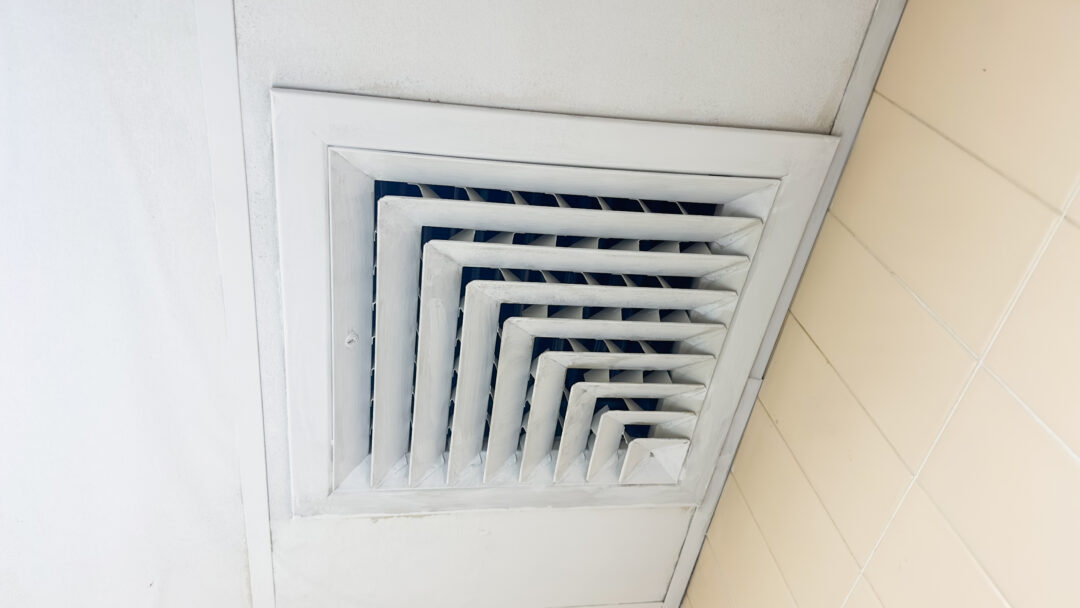
- Return Air Vent: Often a large grille on a wall or ceiling.
- HVAC Unit Itself: In a dedicated slot right before the air handler or furnace.
- Find the Dimensions: Once you’ve removed the filter, look along its cardboard frame. You should see a set of three numbers clearly printed, usually separated by an “x” (e.g., 20x25x1, 14x20x2).
- These numbers represent the Nominal Dimensions of the filter:
- Length (first number)
- Width (second number)
- Depth or Thickness (third number)
- Example: A filter labeled “20x25x1” is 20 inches long, 25 inches wide, and 1 inch thick.
- These numbers represent the Nominal Dimensions of the filter:
- Check for Directional Arrows: While you’re looking at the label, also note if there’s an arrow printed on the frame. This arrow indicates the direction of airflow and is crucial for correct reinstallation. The arrow should point towards the furnace/air handler, or away from the return duct.
Important Note: Always defer to the dimensions printed on the filter or the HVAC unit’s manual. Manufacturers list the nominal size that fits the slot.
Measuring the casing by length, width & depth
If your existing filter is missing, illegible, or heavily damaged, you’ll need to measure the filter slot or casing where the filter is inserted.
- Tools Needed: A tape measure.
- Step-by-Step Measurement:
- Measure the Length: Measure the interior opening of the filter slot from one side to the other.
- Measure the Width: Measure the interior opening of the filter slot from the top to the bottom.
- Measure the Depth (Thickness): Measure the interior depth of the slot where the filter slides in. This is critical as filters come in various thicknesses (e.g., 1 inch, 2 inches, 4 inches, 5 inches, 6 inches).
- Rounding for Nominal Size: Once you have your exact measurements (the “actual dimensions”), you’ll typically round up to the nearest whole inch to get the Nominal Dimensions for purchasing. For example, if you measure 19.5″ x 24.5″ x 0.75″, you’ll look for a 20x25x1 filter. If you measure 19.75″ x 24.75″ x 4.25″, you’d look for a 20x25x5 filter.
Understanding nominal vs. Actual dimensions
This is a common point of confusion for homeowners, but it’s simple to grasp once explained.
- Nominal Dimensions (The “Labeled” Size): This is the rounded, easy-to-remember size printed prominently on the filter’s cardboard frame (e.g., 20x25x1). It refers to the size of the slot the filter is designed to fit.
- Actual Dimensions (The “True” Size): This is the precise, physical measurement of the filter itself. Filters are always manufactured slightly smaller than their nominal dimensions to ensure they can easily slide into and out of the filter slot without getting stuck.
- Example: A filter labeled “20x25x1″ (nominal) will actually measure closer to 19.5″ x 24.5″ x 0.75” (actual).
- A filter labeled “20x25x4″ (nominal) might actually measure 19.5″ x 24.5″ x 3.75” (actual).
Key Rule: When buying a filter, always use the Nominal Dimensions (the larger, rounded numbers) as your guide. The filter manufacturer has already accounted for the necessary slight reduction in actual size for proper fit.
Recommended MERV ratings for home vs. Commercial use
Beyond size, the MERV rating determines how effectively your filter captures particles. MERV stands for Minimum Efficiency Reporting Value. A higher MERV rating indicates better filtration, but it’s crucial to balance filtration with your HVAC system’s capabilities.
- MERV Scale: Ranges from 1 to 20.
- MERV 1-4 (Basic Filtration): Captures large particles like dust bunnies, carpet fibers, and pollen. Common in older systems or as basic protection. Offers minimal indoor air quality improvement.
- MERV 5-8 (Good Filtration – Standard Residential): Captures mold spores, dust mites, pet dander, and some larger bacteria. This is often the recommended minimum for residential use, providing a good balance between air quality and airflow.
- MERV 9-12 (Superior Filtration – High-End Residential / Light Commercial): Effectively captures finer dust, pet dander, mold spores, some auto emissions, and smaller bacteria. Excellent for homes with allergy sufferers, pets, or mild asthma. Most residential HVAC systems can safely handle MERV 11-12.
- MERV 13-16 (Advanced Filtration – Commercial / Healthcare / Severe Allergies): Captures very fine particles, including smoke, virus carriers, and most bacteria. Often required in hospitals and clean rooms. Can restrict airflow in some residential systems not designed for it, potentially leading to increased energy use or equipment strain.
- MERV 17-20 (HEPA Quality – Specialized Commercial / Clean Rooms): True HEPA filters capture 99.97% of particles 0.3 microns or larger. Used in highly sensitive environments. Not suitable for standard residential HVAC systems due to extreme airflow restriction.
Recommendations:
- Residential Use:
- Standard: MERV 7-8 is a good balance of cost, efficiency, and airflow.
- Allergies/Pets: MERV 11-12. Consult an HVAC professional to ensure your system can handle the increased airflow resistance.
- Avoid: Generally avoid MERV 13+ unless your system is specifically designed for it, as it can reduce airflow and put undue strain on your blower motor.
- Commercial Use:
- General Office/Retail: MERV 8-10.
- Healthcare/Sensitive Environments: MERV 13-16, or higher depending on specific requirements.
- Commercial systems are often designed to handle higher MERV ratings due to more powerful blower motors.
MJ Pro Energy’s filter maintenance guidelines
Proper filter maintenance is non-negotiable for system efficiency, longevity, and healthy indoor air quality. At MJ Pro Energy, we guide our clients through best practices to ensure their HVAC filters are always performing optimally.
- Check Filters Monthly, Change Regularly: We recommend checking your filter at least once a month, especially during peak heating and cooling seasons. Even if it looks clean, replace 1-inch filters every 1-3 months. Thicker filters (4-5 inches) can last 6-12 months, but still inspect them monthly.
- Why Regular Replacement Matters:
- Energy Efficiency: A clogged filter restricts airflow, forcing your HVAC system to work harder, which significantly increases energy consumption and utility bills.
- Equipment Protection: Dirt and debris can bypass a clogged filter, accumulate on coils and components, leading to reduced efficiency, freezing coils (in AC), and premature equipment failure.
- Indoor Air Quality: A dirty filter can no longer effectively capture pollutants, allowing dust, allergens, and other particles to recirculate throughout your home or business.
- Select the Right MERV Rating for Your System: While higher MERV ratings offer better filtration, it’s crucial that your specific HVAC system can handle the increased airflow resistance. Our technicians can assess your system and recommend the optimal MERV rating to balance air quality needs with equipment performance.
- Correct Installation: Always ensure the filter is installed with the airflow arrow pointing in the correct direction (towards the furnace/air handler). An improperly installed filter won’t work effectively.
- Consider Filter Upgrades During Maintenance: During our routine HVAC maintenance visits, our technicians always inspect your filter. We can advise you on potential upgrades (e.g., from a basic MERV 4 to a MERV 8 or 11) that your system can handle, to improve your indoor air quality without compromising performance.
Don’t underestimate the power of a clean, properly sized air filter. It’s the simplest and most cost-effective way to protect your HVAC investment and ensure healthier air for your home or business.
Unsure about your HVAC filter size or MERV rating? Need a professional assessment of your system’s filtration needs?
Contact MJ Pro Energy today for expert advice and comprehensive HVAC maintenance!