

In the world of sophisticated HVAC systems, especially in commercial and larger residential buildings, the term “Air Handling Unit” (AHU) is frequently used. More than just a simple air conditioner, an AHU is a complex piece of equipment designed to regulate and circulate air as part of a larger heating, ventilating, and air conditioning (HVAC) system. Its primary purpose is to create and maintain optimal indoor air balance, comfort, and air quality.
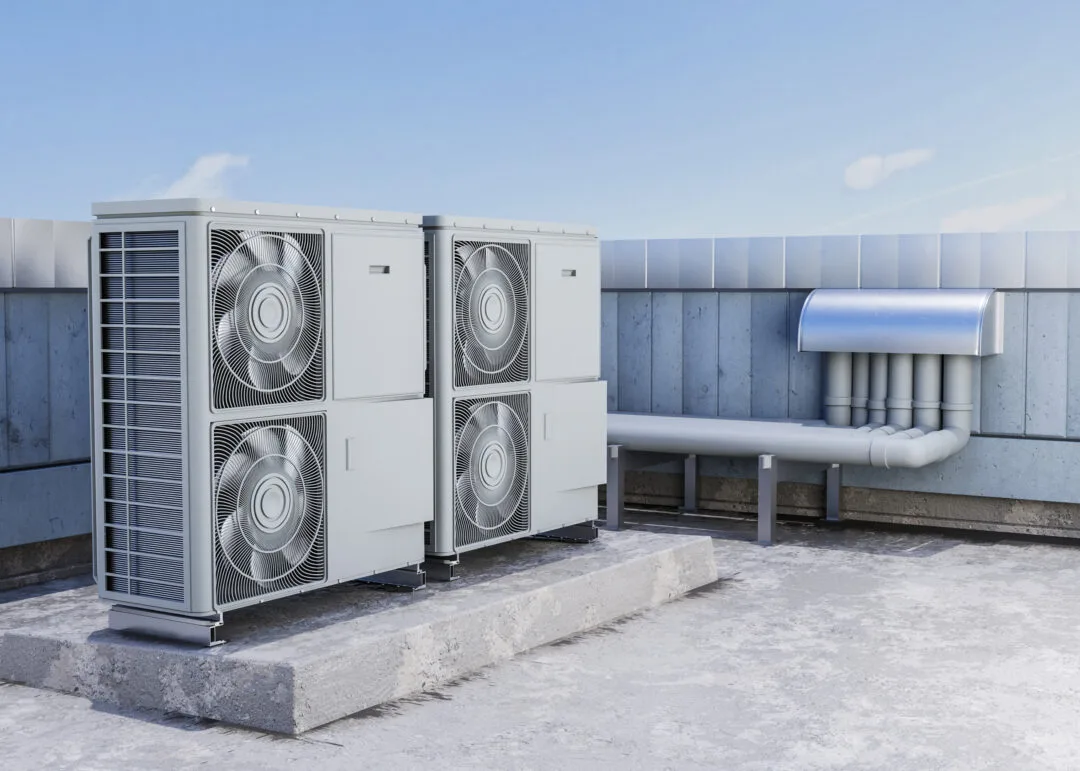
Key components of an AHU (Heating, Cooling, Humidity Control)
An AHU is a modular system, meaning it can be configured with various components to meet specific building requirements. However, several core components are almost always present:
- Fan/Blower Section: This is the heart of the AHU, responsible for moving air through the unit and distributing it throughout the building’s ductwork. Different types of fans (e.g., centrifugal, axial) are used depending on the airflow volume and static pressure requirements.
- Filter Section: Before air enters the coils, it passes through filters to remove airborne particulates such as dust, pollen, mold spores, and other contaminants. AHUs can accommodate multiple stages of filtration, from basic pre-filters (MERV 8) to high-efficiency particulate air (HEPA) filters (MERV 17+) for critical applications.
- Coil Section (Heating and Cooling):
- Cooling Coils: These coils contain a refrigerant (like in a traditional AC) or chilled water. As warm, humid air passes over the cold coils, it cools down, and moisture condenses out of the air, providing both cooling and dehumidification.
- Heating Coils: These coils can contain hot water, steam, or electric heating elements. They warm the air as it passes through, providing space heating.
- Drain Pan: Located beneath the cooling coils, this pan collects the condensate (water removed from the air during dehumidification) and directs it to a drainage system.
- Mixing Box/Damper Section: This section controls the amount of fresh outdoor air mixed with recirculated indoor air. Dampers regulate the airflow from each source to achieve optimal ventilation and energy efficiency.
- Humidifier/Dehumidifier (Optional but Common):
- Humidifiers: In dry climates or during heating seasons, humidifiers can add moisture to the air for comfort and to protect building materials.
- Dehumidifiers: Beyond simple cooling coils, dedicated dehumidification coils or desiccant dehumidifiers can be integrated for precise humidity control, crucial in humid climates or specific industrial processes.
- Sound Attenuators (Optional): Designed to reduce fan and airflow noise that might otherwise transmit through the ductwork into occupied spaces.
Role in ventilation, filtration & IAQ
The comprehensive design of an AHU makes it central to maintaining superior indoor air quality (IAQ).
- Ventilation: AHUs are equipped with dampers that allow for the precise intake of outdoor air and exhaust of indoor air. This controlled ventilation is crucial for diluting indoor pollutants, replenishing oxygen, and preventing the buildup of stale air, all while recovering energy from exhaust air if heat recovery ventilators are integrated.
- Filtration: The multi-stage filtration capabilities of an AHU are vital for removing a wide spectrum of airborne contaminants. From large dust particles to microscopic allergens, bacteria, and even some viruses, the AHU acts as the building’s lungs, cleaning the air before it’s distributed.
- Indoor Air Quality (IAQ): By controlling temperature, humidity, and filtering out pollutants, AHUs play a direct and significant role in creating a healthy and comfortable indoor environment. Good IAQ reduces the risk of respiratory issues, improves occupant comfort and productivity, and minimizes odors.
Differences between AHUs and regular HVAC units
While both AHUs and typical residential or light commercial HVAC units condition air, their scale, complexity, and application differ significantly.
- Scale & Customization:
- Regular HVAC Units (e.g., Residential Split Systems, Small Rooftop Units): These are typically pre-packaged, standardized units designed for specific capacities and applications. They are “all-in-one” boxes for heating and cooling a single zone or small building.
- AHUs: Are much larger, often custom-built or highly configurable modular systems designed to serve entire buildings, multiple zones, or specific industrial processes. They can handle massive air volumes and are integrated into sophisticated building management systems.
- Components & Control:
- Regular HVAC Units: Have basic filtration and direct expansion (DX) cooling coils. Control is usually via a single thermostat.
- AHUs: Feature advanced, multi-stage filtration, can use chilled/hot water coils (connected to chillers/boilers) or DX coils, incorporate complex humidification/dehumidification, and have sophisticated mixing boxes. They are controlled by Direct Digital Control (DDC) systems as part of a larger Building Automation System (BAS).
- Purpose:
- Regular HVAC Units: Primarily focused on temperature control for comfort in a defined space.
- AHUs: Designed for precise control over a wider range of parameters including temperature, humidity, ventilation, and pressure, critical for large occupancies, specialized environments (e.g., hospitals, labs), or energy-efficient central systems.
- Location:
- Regular HVAC Units: Often found outdoors (condenser) and indoors (furnace/air handler) in residential settings, or on rooftops for smaller commercial buildings.
- AHUs: Typically located in dedicated mechanical rooms, penthouses, or basements of large commercial, industrial, or institutional buildings.
Commercial use cases & energy efficiency benefits
AHUs are the backbone of climate control in a vast array of commercial and institutional settings, offering significant energy efficiency advantages.
- Common Commercial Use Cases:
- Office Buildings: Provide comfortable and healthy environments for large numbers of occupants.
- Hospitals & Healthcare Facilities: Critical for maintaining sterile environments, controlling airborne contaminants, and precise temperature/humidity for patient care.
- Schools & Universities: Ensure proper ventilation and comfort for learning environments.
- Shopping Malls & Retail Centers: Manage climate for large, high-traffic areas.
- Data Centers: Provide precise temperature and humidity control crucial for sensitive electronic equipment.
- Manufacturing Plants: Can control specific environmental conditions required for production processes (e.g., clean rooms, temperature-sensitive manufacturing).
- Energy Efficiency Benefits:
- Centralized Control: A single, large AHU serving multiple zones can be more energy-efficient than numerous smaller, independent units.
- Economizer Modes: AHUs can utilize “economizer” modes, bringing in cool outdoor air to cool the building when conditions are favorable, reducing the need for mechanical cooling.
- Heat Recovery: Many AHUs integrate heat recovery wheels or plates that capture energy from exhaust air to pre-condition incoming fresh air, significantly reducing heating and cooling loads.
- Variable Air Volume (VAV) Systems: AHUs are often part of VAV systems, which adjust the airflow rate to individual zones based on demand, leading to substantial energy savings compared to constant air volume (CAV) systems.
- Optimized Filtration: Multi-stage filtration reduces fan energy by preventing excessive dirt buildup on coils.
- Precise Control: Integration with BAS allows for sophisticated scheduling, demand-controlled ventilation (adjusting fresh air based on occupancy), and continuous optimization of operation parameters.
MJ Pro Energy’s integration of AHUs in building systems
At MJ Pro Energy, we specialize in designing, installing, and maintaining sophisticated HVAC solutions for commercial and large-scale residential properties. Our expertise with Air Handling Units is central to delivering high-performance, energy-efficient, and comfortable indoor environments.
- Custom Design & Sizing: We don’t believe in one-size-fits-all. Our engineers perform detailed load calculations and consider your building’s specific occupancy, usage, and operational requirements to design an AHU system perfectly sized and configured for your needs. This includes selecting the right fan type, coil capacities, and filtration stages.
- Seamless Integration with Building Automation (BAS/DDC): We integrate AHUs into advanced Building Automation Systems, providing centralized control, real-time monitoring, and sophisticated optimization capabilities. This allows for precise temperature, humidity, and ventilation management, leading to significant energy savings and operational efficiency.
- Energy Recovery Ventilation (ERV/HRV) Integration: For optimal energy efficiency and superior indoor air quality, we frequently incorporate energy recovery ventilation technologies within our AHU designs. This recovers heat and/or moisture from exhaust air, reducing the load on the heating and cooling coils.
- Advanced Filtration Solutions: We advise on and implement multi-stage filtration strategies tailored to your building’s IAQ goals, from standard MERV filters for general comfort to HEPA filters for critical environments, ensuring cleaner, healthier air for occupants.
- Maintenance & Optimization: Our comprehensive commercial maintenance plans are specifically designed for complex AHU systems. We conduct regular inspections, performance testing, filter changes, coil cleaning, and control calibrations to ensure your AHU operates at peak efficiency and reliability throughout its lifespan. We also offer ongoing optimization services to continually fine-tune settings for maximum savings.
- Expert Installation: Our certified technicians have extensive experience with large-scale AHU installations, ensuring precise placement, secure connections, and proper commissioning for seamless operation.
Choosing the right AHU and ensuring its expert integration is a significant decision for any large building. MJ Pro Energy provides the expertise, technology, and service to make that decision a sound investment in comfort, efficiency, and indoor air quality.
Considering an Air Handling Unit or upgrading your building’s HVAC system? Contact MJ Pro Energy today for a comprehensive consultation on our AHU solutions!