
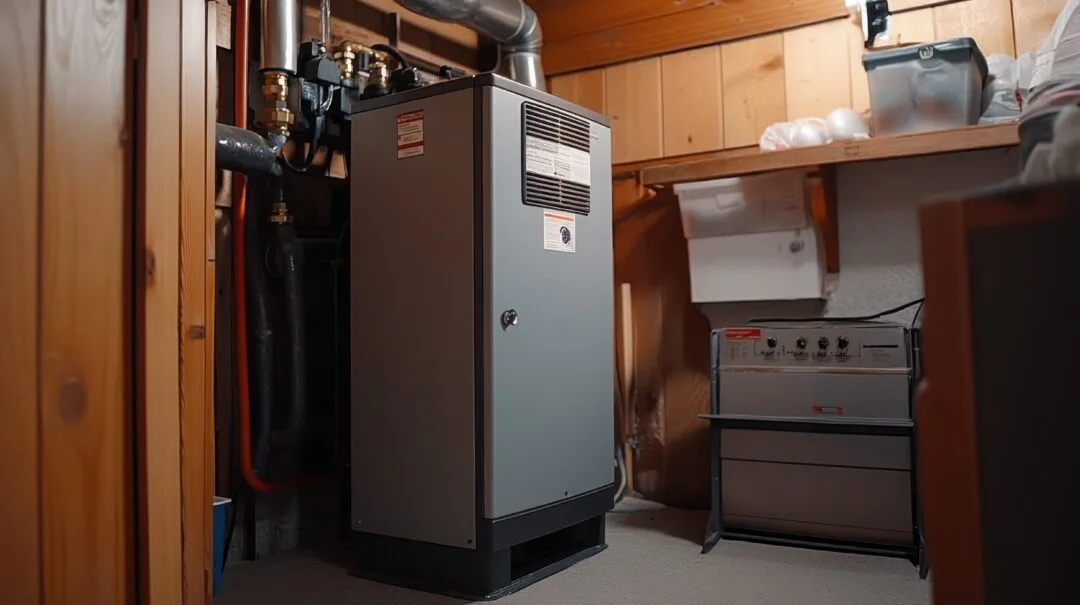
A furnace is a central part of many residential and commercial heating systems, especially in regions with cold winters like Massachusetts. Whether you’re a homeowner trying to understand how your heating system works or a business looking to optimize energy usage, knowing how a furnace operates is essential. Let’s break it all down.
What Is a furnace?
A furnace is a heating system that generates and distributes warm air throughout a building via ducts. It’s typically powered by natural gas, propane, electricity, or oil.
What is a furnace used for?
Furnaces are used to heat indoor spaces, ensuring comfort and safety during colder months. They are especially effective in maintaining consistent temperatures in both homes and commercial properties.
Is a furnace the same as an AC?
No—a furnace heats, while an air conditioner cools. They often share the same ductwork but serve opposite functions. In combined HVAC systems, the AC and furnace work together to regulate indoor climate year-round.
Parts of a gas furnace
Understanding the key components of a gas furnace helps identify issues and improve efficiency:
Thermostat
Controls the system and signals when heating is needed.
Burners
Mix fuel and air to create combustion and generate heat.
Ignitor/ignition switch
Ignites the burner when heat is called for.
Control board
The “brain” of the system—manages ignition, safety sensors, and fan operations.
Combustion chamber
Encloses the burners and contains the combustion process safely.
Heat exchanger
Transfers heat from combustion gases to the air without letting toxic gases enter the home.
Gas valve
Regulates fuel flow to the burners.
Air filter
Traps dust and debris to ensure clean airflow and protect internal components.
How does a furnace work?
- The thermostat detects a drop in temperature and signals the furnace to start.
- The ignitor lights the burners, creating a controlled flame inside the combustion chamber.
- The heat exchanger warms the air without exposing it to combustion gases.
- A blower fan pushes the warm air through ducts into the rooms.
- Exhaust gases are safely vented outside through a flue or chimney.
How Long does a furnace last?
Most modern furnaces last 15 to 20 years, depending on:
- Usage and climate
- Maintenance frequency
- Installation quality
- Type of fuel (gas furnaces often last longer than electric ones)
MJ Pro Energy helps extend the life of your furnace through proactive inspections and maintenance.
How often do you change the furnace filter?
For optimal airflow and efficiency, change your furnace filter:
- Every 1 to 3 months for standard filters
- More frequently if you have pets, allergies, or live in a high-dust area
A clogged filter reduces efficiency, increases energy bills, and wears out your furnace faster.
How much does a new furnace cost?
The cost of a new furnace can vary based on size, type, and efficiency rating:
- Basic units: $2,500 – $4,000
- High-efficiency systems: $5,000 – $7,500+
- Installation included: labor, permits, and system calibration
MJ Pro Energy provides customized furnace installation quotes, ensuring the right system for your space and budget. Contact us today for expert guidance and energy-smart solutions for your property.