

When it comes to heating, ventilation, and air conditioning (HVAC) systems, property owners in the U.S. are primarily faced with two common configurations: package units and split systems. Each offers distinct advantages in terms of design, installation, efficiency, and ideal applications. Choosing the right system for your home or commercial building is a crucial decision that impacts comfort, energy consumption, and long-term costs. MJ Pro Energy breaks down the features and uses of package HVAC units versus split systems to help you make an informed choice.
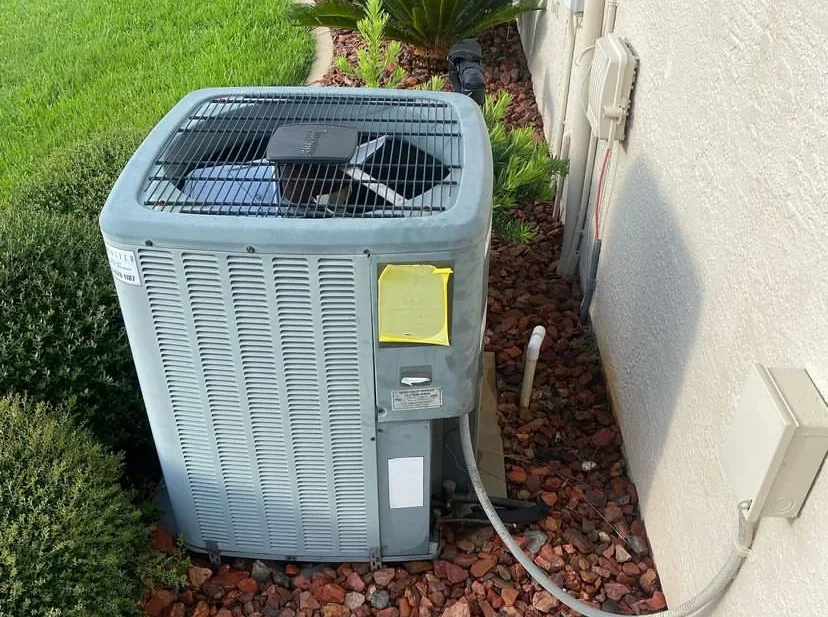
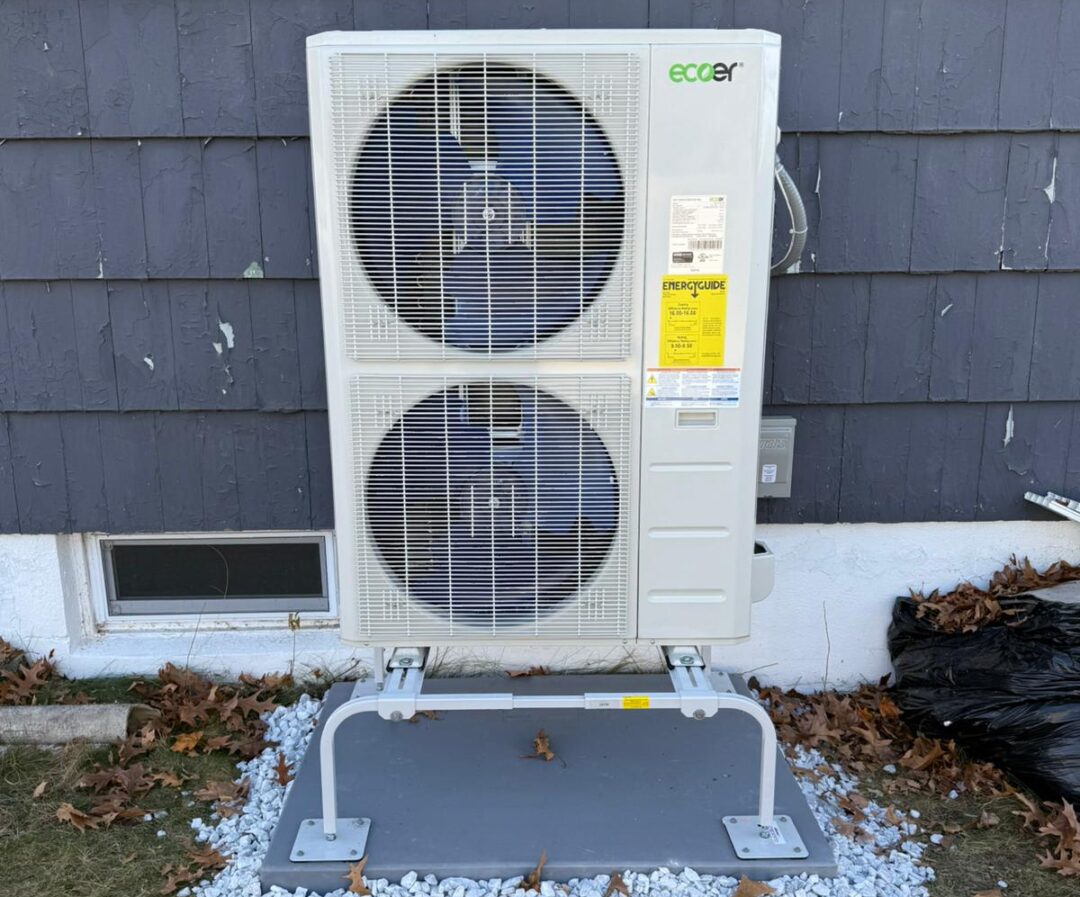
Package unit: All-in-one, compact outdoor setup
A package HVAC unit is an all-in-one system where all the primary components of the heating and cooling system are housed in a single cabinet.
- Compact Design: This single cabinet typically contains the compressor, condenser coil, evaporator coil, and air handler (blower fan). For systems that provide heating, the furnace (gas or electric) or heat pump components are also integrated into this one unit.
- Outdoor Placement: Package units are almost exclusively installed outdoors, usually on a concrete slab at ground level or on a commercial rooftop.
- Ductwork Connection: Conditioned air is delivered and returned through ductwork that connects directly to the outdoor unit and runs into the building’s interior.
- Types: Available as air conditioners (cooling only), heat pumps (heating and cooling), or gas/electric package units (gas furnace for heat, electric for cooling).
Split system: Indoor evaporator + outdoor condenser
A split HVAC system, as the name suggests, divides its components into two main parts.
- Indoor Unit: This typically includes the evaporator coil and air handler (blower fan), often combined with a furnace for heating. This unit is usually located indoors, in a basement, attic, crawl space, or utility closet.
- Outdoor Unit: This contains the compressor and condenser coil. It is always located outside the building on a concrete pad or mounted to a wall.
- Refrigerant Lines: The indoor and outdoor units are connected by refrigerant lines (copper tubing) that circulate refrigerant, absorbing heat from one location and releasing it in the other.
- Ductwork Connection: The indoor air handler connects to the building’s ductwork system to distribute conditioned air.
- Types: Most commonly seen as central air conditioners with a separate furnace, or as heat pump systems that provide both heating and cooling.
Efficiency, installation ease, cost differences
Comparing these systems reveals key distinctions in their efficiency, installation requirements, and overall cost.
- Efficiency:
- Split Systems: Generally, split systems tend to be more energy-efficient than package units. With the evaporator coil located indoors, there’s less heat loss or gain during the cooling/heating process as the air travels through the unit itself. Modern split systems often achieve higher SEER (Seasonal Energy Efficiency Ratio) ratings for cooling and HSPF (Heating Seasonal Performance Factor) ratings for heating.
- Package Units: While modern package units are efficient, they can sometimes be slightly less efficient than comparable split systems due to the full unit being exposed to outdoor temperature fluctuations. However, advancements have narrowed this gap significantly.
- Installation Ease:
- Package Units: Installation is often simpler and faster from a labor perspective because all components are pre-assembled in one factory-sealed unit. This reduces on-site labor for connecting refrigerant lines and electrical components. The main task involves placing the unit and connecting ductwork. This can mean lower upfront labor costs.
- Split Systems: Installation is typically more complex and time-consuming. It requires careful installation of both indoor and outdoor units, running and insulating refrigerant lines between them, and often more involved electrical and drainage connections inside the building. This usually translates to higher installation labor costs.
- Cost Differences:
- Upfront Cost: Package units often have a lower upfront equipment cost because they are mass-produced as a single, integrated unit. Their simpler installation can also reduce initial labor expenses.
- Long-Term Cost: While split systems might have a higher initial installation cost, their potentially greater energy efficiency can lead to lower operating costs over their lifespan, offering better long-term value, especially in climates with high heating or cooling demands. Maintenance costs can vary depending on system complexity and accessibility.
Ideal uses: Rooftops, space limitations, zone control
The best system often depends on the specific needs and constraints of the property.
- Ideal Uses for Package Units:
- Commercial Rooftops: Extremely common for commercial buildings, especially flat-roofed structures. Their all-in-one design makes them ideal for rooftop placement, where they are out of sight and do not take up valuable interior or ground-level space.
- Limited Indoor Space: Suitable for homes or small commercial buildings with limited indoor space for an air handler/furnace (e.g., no basement, small utility closet, or limited attic space).
- Modular Buildings: Often used in modular or temporary structures due to their self-contained nature and easier placement.
- Ground-Level Installation: Can be installed on a concrete pad next to a building, a good option when quiet operation isn’t the absolute highest priority and indoor space is limited.
- Ideal Uses for Split Systems:
- Residential Homes: The most common choice for residential properties, allowing the noisy condenser to be outdoors while the quieter air handler is tucked away indoors.
- Zone Control: Split systems (especially multi-zone ductless mini-splits) are excellent for providing precise temperature control in different areas or “zones” of a building without extensive ductwork. Even ducted split systems can be designed with zoning.
- Retrofits/Renovations: Easier to integrate into existing structures where modifying ductwork might be more feasible than finding space for a large package unit.
- Noise Sensitivity: The indoor-outdoor separation means less operating noise inside the building, making them ideal for noise-sensitive environments.
Maintenance differences & scalability
Maintenance and the ability to scale the system for different needs also differentiate the two.
- Maintenance Differences:
- Package Units: Maintenance is often more straightforward for technicians as all components are in one readily accessible outdoor cabinet. This can simplify troubleshooting and routine servicing. However, if installed on a rooftop, access can be a safety consideration for technicians.
- Split Systems: Maintenance involves two separate units. The outdoor unit requires regular cleaning of coils and inspection of the compressor. The indoor unit (air handler/furnace) requires filter changes, coil cleaning, and drainage line inspection. Access to indoor units can sometimes be challenging (e.g., in tight attics or crawl spaces), potentially increasing labor time for service.
- Scalability:
- Package Units: Generally, scaling involves adding more package units for larger buildings or different zones. Their “all-in-one” nature means less flexibility in customizing individual components.
- Split Systems: Highly scalable. For large buildings, multiple split systems can be installed to serve different zones independently. Ductless mini-split systems offer exceptional scalability for adding heating and cooling to individual rooms or additions without needing to extend existing ductwork. This modularity allows for more customized solutions.
Energy comparison & rebate opportunities
Energy consumption is a major concern, and both systems have pathways to efficiency, often supported by incentives.
- Energy Comparison:
- SEER/HSPF Ratings: When comparing efficiency, look at the SEER (Seasonal Energy Efficiency Ratio) for cooling and HSPF (Heating Seasonal Performance Factor) for heat pumps. Higher numbers indicate greater efficiency.
- Technological Advancements: Both package and split systems benefit from modern HVAC technologies like variable-speed compressors, multi-stage operation, and advanced controls, which significantly improve their energy efficiency over older models.
- Ductwork Efficiency: Regardless of the system type, the efficiency of your ductwork (proper sizing, sealing, and insulation) plays a monumental role in overall system efficiency. Leaky or uninsulated ducts can waste a significant amount of conditioned air.
- Rebate Opportunities:
- Federal Tax Credits: Property owners in the U.S. may be eligible for federal tax credits for installing high-efficiency HVAC equipment, including certain heat pumps, central air conditioners, and furnaces, regardless of whether they are part of a package or split system.
- State & Local Programs: Many states, utility companies, and local municipalities offer their own rebate programs or incentives for installing energy-efficient HVAC systems. These can vary widely by location and may have specific SEER/HSPF requirements.
- Professional Consultation: A reputable HVAC contractor like MJ Pro Energy can provide guidance on current federal, state, and local rebate opportunities that apply to your specific system choice and location, helping you maximize savings.
Choosing between a package unit and a split system involves weighing your property’s specific layout, space availability, budget constraints, and long-term energy goals. A professional HVAC expert can help you navigate these options to find the perfect solution for your comfort and efficiency needs.
Ready to upgrade or install a new HVAC system? MJ Pro Energy specializes in comprehensive HVAC solutions, offering expert consultation, precise installation, and ongoing maintenance for both package units and split systems. We help you select the most energy-efficient and cost-effective system tailored to your property, ensuring optimal comfort and savings. Contact us today for a consultation and let us bring professional energy solutions to you!