

Properly distributed airflow is paramount for consistent comfort, energy efficiency, and healthy indoor air quality. It’s not just about having an HVAC system; it’s about how effectively that conditioned air reaches every corner of your home or business. A key component of this is the strategic placement and sizing of HVAC registers and returns. Knowing how many registers a room needs is more nuanced than just its square footage.
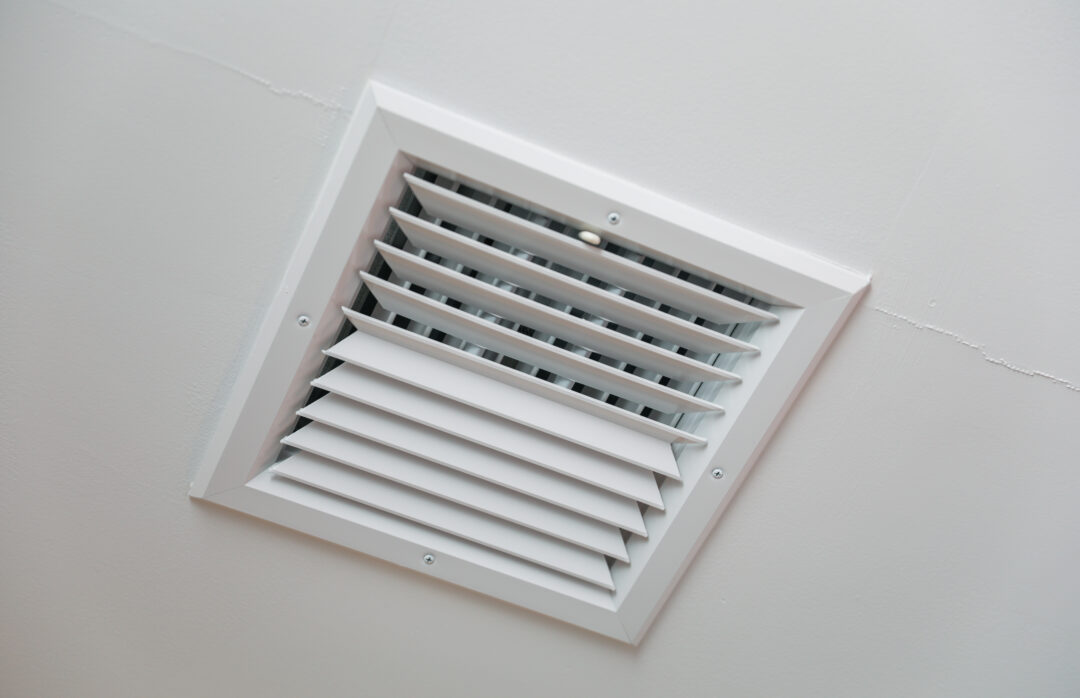
Standard rules: 1 supply + 1 return register per 100–150 sq ft
While a precise calculation requires a professional, a general rule of thumb can serve as a starting point for understanding basic needs.
- Supply Registers (Vents): These are where conditioned air (heated or cooled) enters the room.
- Guideline: Aim for approximately 1 supply register per 100-150 square feet of living space.
- Placement: For cooling, supply registers are typically placed high on walls or in ceilings, allowing cool, dense air to fall and spread. For heating, they are often placed low on exterior walls or near windows to counter cold drafts. In larger rooms, multiple supply vents can ensure more even temperature distribution and reduce hot/cold spots.
- Return Air Grilles: These are where air is drawn back into the HVAC system for re-conditioning.
- Guideline: Aim for at least 1 return air grille per 100-150 square feet, ideally with at least one return in every major room or zone.
- Placement: Returns are generally placed low on interior walls, often opposite supply vents, to encourage a full air circulation path across the room.
- Importance: Adequate returns are crucial. They prevent “dead spots” where air stagnates, ensure efficient air circulation back to the unit, and help with dehumidification. Without sufficient returns, your system can’t “breathe” properly, leading to reduced efficiency and discomfort.
- Balancing Act: This rule of thumb is a very rough estimate. The exact number and size of registers, and the total CFM (Cubic Feet per Minute) of airflow they need to provide or draw, are precisely determined by a detailed load calculation (Manual J) and duct design (Manual D).
Adjustments for high ceilings or large windows
Square footage alone is an insufficient metric because it doesn’t account for volume or thermal vulnerabilities. These factors significantly impact how many registers a room truly needs.
- High Ceilings:
- Impact: Rooms with ceilings higher than the standard 8-9 feet have a larger cubic volume of air to condition. This increases the heating and cooling load.
- Adjustment: You’ll likely need more supply registers, or larger ones, to effectively distribute conditioned air throughout the increased volume. Strategic placement might involve higher wall vents or ceiling diffusers to ensure the air mixes properly.
- Large Windows (Especially South or West-Facing):
- Impact: Windows are major culprits for heat gain in summer (solar radiation) and heat loss in winter. Large, unshaded windows dramatically increase the heating and cooling load of a room.
- Adjustment: Rooms with significant window areas often require additional supply registers positioned strategically near those windows. For heating, vents are often placed directly under or in front of windows to create a “curtain” of warm air, counteracting cold drafts. For cooling, placement might be higher to allow cool air to wash over the window surface.
- Other Adjustments:
- High Traffic Areas: Rooms with more foot traffic or frequently opened doors might benefit from more robust airflow.
- Internal Heat Gains: Rooms with many heat-generating appliances (e.g., kitchen) or a high occupancy rate might need additional cooling supply.
- Insulation Levels: Poorly insulated rooms or those with exterior walls will have higher loads, potentially requiring more strategic vent placement.
Pros and cons of multiple registers vs. One large vent
The debate between using a single large register or multiple smaller ones in a room often comes down to balancing aesthetic preference with optimal airflow performance.
- One Large Vent:
- Pros: Simpler installation, potentially lower initial ducting cost for that specific run, less visual clutter in the ceiling/wall.
- Cons:
- Poor Air Distribution: A single large vent, especially in a large or irregularly shaped room, often leads to uneven temperature distribution. Areas far from the vent may experience hot or cold spots.
- High Air Velocity/Noise: To deliver enough CFM for a large room through one vent, the air speed can be very high, leading to noticeable drafts and increased noise levels.
- Limited Comfort: Does not promote good air mixing throughout the entire space.
- Multiple Smaller Registers:
- Pros:
- Superior Air Distribution: Spreads conditioned air more evenly across the entire room, eliminating hot and cold spots and promoting better air mixing.
- Reduced Drafts & Noise: Air can be delivered at a lower velocity through multiple vents, resulting in quieter operation and less noticeable drafts.
- Better Humidity Control: Improved air circulation helps with more effective dehumidification.
- Enhanced Comfort: Provides a more consistent and comfortable environment for occupants.
- Cons: Higher installation cost due to more duct branches and registers. More visual elements on walls or ceilings.
- Pros:
Recommendation: For most modern HVAC systems and for optimal comfort and efficiency, multiple smaller registers are almost always preferred over one large vent in any room larger than a small bathroom or closet. This ensures even air distribution and a comfortable experience.
Performance vs. Air pressure balance insights
The actual performance of your HVAC system hinges critically on proper air pressure balance within the ductwork and the building itself.
- Static Pressure: This is the resistance to airflow as air moves through the ductwork, filters, coils, and vents. If the static pressure is too high (e.g., due to undersized ducts, too many sharp bends, dirty filters, or overly restrictive MERV-rated filters), the HVAC system has to work harder, leading to:
- Reduced airflow to registers.
- Increased energy consumption.
- Higher wear and tear on the blower motor.
- Reduced heating and cooling capacity.
- Supply and Return Balance: For optimal performance, the amount of air supplied to a room should roughly match the amount of air returned from that room (or adjacent rooms) to the HVAC unit.
- Positive Pressure: If a room has too much supply air and insufficient return, it can create positive pressure, pushing conditioned air out of cracks and openings.
- Negative Pressure: If a room has too much return air and insufficient supply, it can create negative pressure, drawing unconditioned air from outside or from unconditioned spaces (like an attic or crawl space) into the room.
- Both positive and negative pressure imbalances lead to discomfort, inefficiency, and potential indoor air quality issues (e.g., drawing in unfiltered air, moisture problems).
- Duct Design (Manual D): A professional HVAC technician uses ACCA Manual D guidelines to design the ductwork system. This involves calculating precise duct sizes, fitting types, and register/grille types to ensure correct airflow (CFM) to each room while maintaining optimal static pressure across the entire system.
- System Balancing: After installation, the HVAC system needs to be “balanced.” This involves using specialized tools to measure airflow at each register and adjusting dampers within the ductwork to ensure each room receives the exact amount of conditioned air it was designed for. This fine-tuning is crucial for maximizing comfort and efficiency.
MJ Pro Energy’s standard vent layout strategy
At MJ Pro Energy, we understand that proper vent layout is an art and a science, critical for delivering consistent comfort and efficiency throughout your home or commercial space. Our approach is never one-size-fits-all; it’s meticulously tailored to your property’s unique characteristics.
- Precision Manual J Load Calculation: We begin every project with a comprehensive ACCA Manual J load calculation. This goes beyond square footage, accounting for your home’s insulation levels, window types and orientation, ceiling heights, internal heat gains, and local climate. This step precisely determines the heating and cooling BTUs (and thus CFM) each individual room requires.
- Strategic Manual D Duct Design: Based on the Manual J results, our engineers use ACCA Manual D guidelines to design your ductwork system. This includes:
- Optimal Register Placement: Strategically locating supply registers for maximum air distribution – typically high for cooling, low for heating, or a combination depending on room dynamics and climate. For larger rooms, we prioritize multiple, smaller registers to eliminate hot/cold spots and reduce drafts.
- Adequate Return Air: Designing sufficient return air pathways to ensure proper air circulation back to the HVAC unit, preventing pressure imbalances and promoting efficient dehumidification. We typically aim for at least one return in every major living area.
- Correct Sizing: Calculating the precise size of each duct run and register to deliver the exact CFM needed, while maintaining optimal static pressure for quiet and efficient system operation.
- Consideration of Room Specifics: We factor in unique room characteristics:
- Kitchens: May require additional return air capacity due to heat and moisture from cooking.
- Bathrooms: Require robust exhaust fan ventilation (dug to outdoors) as primary moisture control, with supply vents for comfort.
- Bedrooms: Focus on quiet, even distribution for comfortable sleeping.
- Basements: Unique challenges with cooler temperatures and higher humidity require careful vent placement and often dedicated returns.
- Final System Balancing: Upon installation, our certified technicians meticulously balance the entire system. We use professional airflow measuring tools to fine-tune each register’s output, ensuring every room receives its ideal amount of conditioned air. This crucial step guarantees the comfort, efficiency, and longevity of your HVAC system.
By combining detailed engineering with hands-on expertise, MJ Pro Energy ensures your HVAC system’s vent layout is optimized for peak performance and unparalleled comfort in every room.
Is your home suffering from uneven temperatures or drafty spots? It might be your vent layout. Contact MJ Pro Energy today for a comprehensive HVAC assessment and optimized vent layout design!