In the hospitality industry, a comfortable and pleasant stay is paramount to a great guest experience. A key component of this is a reliable and efficient heating and cooling system. From small boutique hotels to large resorts, the HVAC system not only ensures a comfortable climate in every room but also plays a major role in energy consumption, operational costs, and overall guest satisfaction.
Why HVAC systems are essential for hotels
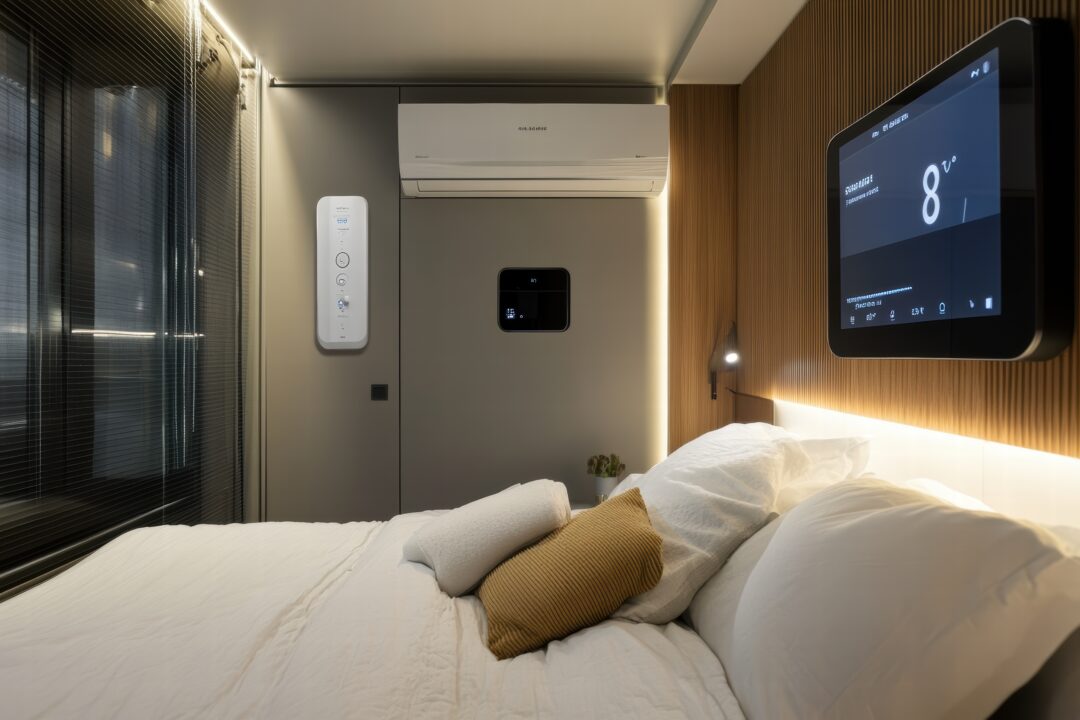
HVAC systems are more than just a convenience; they are a critical part of a hotel’s infrastructure. They directly impact guest comfort, ensuring rooms are at the perfect temperature year-round. This is particularly important for guest reviews and repeat business. Additionally, a well-maintained HVAC system helps control humidity and improve indoor air quality, which is vital for guests’ health and comfort. Finally, efficient systems can lead to significant energy savings, reducing a hotel’s operational expenses and carbon footprint.
Common types of hotel HVAC units
The choice of HVAC system depends on the hotel’s size, layout, and budget. Here are some of the most common types:
PTAC (Packaged Terminal Air Conditioner) Units
PTAC units are the most common HVAC system in hotels and motels. These self-contained units are typically installed through a wall and provide both heating and cooling for a single room.
- Pros: Easy to install and maintain, and they offer individual control for each room, allowing guests to set their preferred temperature. If one unit fails, it doesn’t affect the comfort of other rooms.
- Cons: Can be less energy-efficient than other systems, and they can be noisy. They also require an opening in the exterior wall, which may impact the building’s aesthetics.
VRF (Variable Refrigerant Flow) Systems
VRF systems are a more modern and energy-efficient solution. They use a single outdoor condensing unit to serve multiple indoor units, allowing for simultaneous heating and cooling in different zones of the building.
- Pros: Highly energy-efficient, quiet, and offer precise temperature control. They are ideal for hotels with varied occupancy rates, as they can adjust refrigerant flow to different rooms based on demand.
- Cons: Higher initial cost and more complex installation compared to PTACs.
Centralized HVAC Systems for Large Hotels
These are large-scale systems that use a central unit to heat or cool the entire building. They are common in large, older hotels and commercial buildings.
- Pros: Can provide a uniform temperature across the entire building and are typically out of sight and quiet.
- Cons: Less energy-efficient due to a lack of zone control. If the system fails, the entire hotel is affected. Installation is complex and expensive.
Energy efficiency and guest comfort considerations
When choosing a new HVAC system for a hotel, it’s important to strike a balance between guest comfort and energy efficiency. Opt for systems with high Seasonal Energy Efficiency Ratio (SEER) and Energy Efficiency Ratio (EER) ratings. Investing in a system with smart thermostats and motion sensors can allow for automatic temperature adjustments when a room is vacant, leading to significant energy savings.
Maintenance tips for hotel HVAC systems
Regular maintenance is key to the longevity and efficiency of a hotel’s HVAC system. It also ensures consistent guest comfort and prevents unexpected breakdowns.
- Regular Filter Changes: This is the simplest and most effective maintenance task. Clogged filters reduce airflow and make the system work harder, wasting energy.
- Routine Inspections: Schedule regular professional inspections to check for refrigerant leaks, worn components, and other issues that could lead to a breakdown.
- Cleanliness: Keep all components, especially coils and drains, clean to prevent mold, mildew, and blockages.
Need expert advice on the best HVAC solution for your hotel or commercial building? MJ Pro Energy specializes in providing and installing high-efficiency heating and cooling units designed for comfort, reliability, and cost-effectiveness. Contact us today to discuss your project!