

Choosing the correct main duct size for your heat pump is paramount. It ensures proper airflow, efficient operation, and consistent comfort throughout your home. This guide provides an overview of why it matters, general sizing principles, and common pitfalls to avoid.
Why proper duct size matters
The ductwork delivers conditioned air from your heat pump to every room in your home and returns air to the unit for re-conditioning. Proper sizing is vital for several reasons:
- Optimal Airflow: Air needs to flow freely and efficiently through your ducts. If ducts are too small, airflow is restricted, causing your heat pump to work harder. If they’re too large, the air velocity can drop, leading to uneven temperature distribution and reduced comfort.
- Energy Efficiency: Incorrectly sized ducts force your heat pump to exert more energy to push or pull air, leading to higher electricity consumption and inflated utility bills. Properly sized ducts allow the system to operate at its designed efficiency.
- System Longevity: When a heat pump is constantly straining due to restrictive or oversized ductwork, its components (like the blower motor and compressor) undergo increased wear and tear. This shortens the lifespan of your expensive equipment and increases the likelihood of breakdowns and costly repairs.
- Consistent Comfort: Properly sized and balanced ducts ensure that conditioned air reaches every room evenly, eliminating hot and cold spots and maintaining a comfortable temperature throughout your entire home.
- Reduced Noise: Undersized ducts can create excessive noise as air struggles to pass through tight spaces, leading to whistling, rattling, or a loud “whooshing” sound. Oversized ducts can also cause noise issues due to low air velocity or “oil canning” (popping sounds as ductwork flexes).
- Humidity Control: Correct airflow is essential for proper dehumidification in cooling mode. Undersized ducts can lead to poor moisture removal, making your home feel clammy even if the temperature is cool.
Duct sizing basics by heat pump capacity
Duct sizing is a complex science, not a “one-size-fits-all” solution. It’s based on the volume of air (measured in Cubic Feet per Minute, or CFM) your heat pump needs to move and the static pressure within the duct system. General rules of thumb exist, but always defer to a professional Manual D calculation.
- CFM per Ton: As a general guideline, an HVAC system requires approximately 400 CFM per ton of cooling/heating capacity. So, a 3-ton heat pump would need to move roughly 1,200 CFM.
- Main Trunk Duct: The main trunk line (the largest duct leaving the air handler) needs to be sized to accommodate the total CFM output of your heat pump. For example:
- 2-Ton (24,000 BTU) Heat Pump: Requires approximately 800 CFM. A main duct around 16-18 inches in diameter (or an equivalent rectangular size) might be appropriate.
- 3-Ton (36,000 BTU) Heat Pump: Requires approximately 1,200 CFM. A main duct around 18-20 inches in diameter could be necessary.
- 4-Ton (48,000 BTU) Heat Pump: Requires approximately 1,600 CFM. A main duct around 20-22 inches in diameter might be needed.
- 5-Ton (60,000 BTU) Heat Pump: Requires approximately 2,000 CFM. A main duct around 22-24 inches in diameter could be required.
Important considerations:
- Rectangular vs. Round: While round ducts are often more efficient for airflow, rectangular ducts are common due to space constraints. HVAC professionals use tables to find equivalent cross-sectional areas.
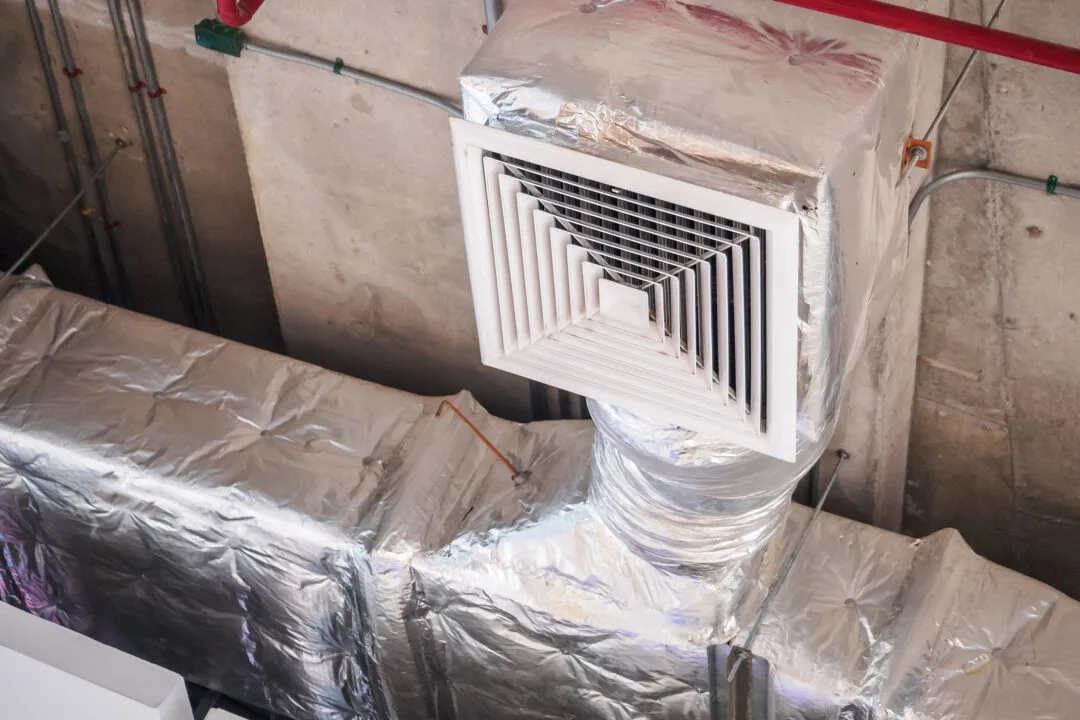
- Duct Material & Insulation: Galvanized steel or aluminum are common materials. Duct insulation (especially for ducts running through unconditioned spaces like attics or crawl spaces) is critical to prevent heat loss/gain.
- Bends and Length: Every bend, elbow, and long run of ductwork adds resistance (friction loss), requiring larger duct sizes to maintain adequate airflow.
These are just rough estimates. The actual size will be determined by a precise calculation based on your home’s unique characteristics.
Common issues from incorrect duct size
Ignoring proper duct sizing can lead to a host of problems:
- Undersized Ducts:
- High Static Pressure: The blower fan has to work excessively hard, leading to increased energy consumption, noise, and premature motor failure.
- Reduced Airflow: Not enough conditioned air reaches rooms, leading to hot/cold spots and discomfort.
- Short Cycling: The heat pump turns on and off too frequently because it can’t move enough air across its coils, leading to inefficiency and accelerated wear.
- Frozen Coils: Restricted airflow over the evaporator coil can cause it to get too cold and freeze over, leading to water leaks and system damage.
- Poor Dehumidification: Inadequate airflow means the cooling coil won’t remove enough moisture from the air, leaving your home feeling sticky.
- Oversized Ducts:
- Low Air Velocity: Air moves too slowly, resulting in uneven temperature distribution and conditioned air being lost to ambient temperatures within the ducts before reaching vents.
- Wasted Energy: The system runs inefficiently as it tries to fill an unnecessarily large volume.
- Dust Accumulation: Low air velocity can allow dust and contaminants to settle in ducts, affecting indoor air quality.
- Noise Issues: Can cause “oil canning” or a lack of proper air pressure at registers.
When to upgrade your ductwork
Installing a new heat pump is often the ideal time to evaluate and potentially upgrade your ductwork. You should consider an upgrade if:
- You’re Installing a New Heat Pump: Especially if it’s replacing an old furnace or AC system, as older ductwork may not be suited for the specific airflow requirements of modern heat pumps. Heat pumps often move more air at lower temperatures (compared to a furnace’s hotter air), which may require larger ducts.
- Existing Ducts are Old or Damaged: Ductwork older than 15-20 years often has leaks, poor insulation, or has simply deteriorated. Inspect for visible leaks, sagging, or disconnected sections.
- Inconsistent Temperatures: If you already experience hot or cold spots in your home, inadequate or improperly sized ductwork is likely a major contributing factor.
- High Energy Bills: Unexplained high energy consumption despite a new, efficient heat pump can indicate leaky or undersized ducts forcing the system to work harder.
- Noisy Airflow: Excessive whistling, rattling, or loud air sounds point to airflow restrictions or an improperly designed system.
- Renovations or Additions: Any significant changes to your home’s layout or size necessitate a re-evaluation and potential redesign of your ductwork to ensure adequate coverage.
- Poor Indoor Air Quality: Old, leaky ducts can pull in unconditioned, unfiltered air from attics, crawl spaces, or wall cavities, degrading indoor air quality.
Professional duct sizing & installation
Given the complexity and critical importance of proper ductwork, professional duct sizing and installation are absolutely essential for any heat pump system.
- Manual J Load Calculation: A qualified HVAC technician will begin by performing a comprehensive Manual J load calculation for your home. This highly detailed assessment considers factors like your home’s square footage, insulation levels, window types and orientation, local climate, air leakage, and even the number of occupants and heat-generating appliances. This determines the precise heating and cooling load and, consequently, the required CFM for your heat pump.
- Manual D Duct Design: Based on the Manual J output, the technician will then use ACCA Manual D guidelines (or similar industry standards) to design the entire duct system. This includes calculating the optimal size for main trunk lines, branch ducts, supply and return plenums, and determining the appropriate number and size of registers and grilles for each room.
- Expert Installation: Professional installation ensures ducts are properly sealed (using mastic or approved tape), insulated, supported, and connected without kinks or sharp bends that impede airflow. This maximizes efficiency and prevents air leaks.
- System Balancing: After installation, a professional will “balance” the system, adjusting dampers in the ductwork to ensure the correct amount of airflow reaches each room according to the design specifications.
Trying to estimate duct sizes or reuse old, ill-fitting ductwork can severely compromise your heat pump’s efficiency, lead to discomfort, and shorten its lifespan. Trusting MJ Pro Energy with your heat pump and ductwork installation guarantees a system that performs optimally from day one, delivering reliable comfort and maximizing your energy savings.
Considering a heat pump or concerned about your existing ductwork? Contact MJ Pro Energy today for a thorough assessment and expert guidance on sizing and optimizing your HVAC system for peak performance.