

Choosing a new heating and cooling system for your home is a significant decision. You’ve likely heard about traditional air conditioners (ACs) and furnaces, but heat pumps have emerged as a highly efficient, all-in-one solution. Understanding the fundamental differences between these systems is crucial before you make a purchase. MJ Pro Energy is here to guide you through the pros and cons of each, ensuring you select the best fit for your comfort and energy-saving goals.
While both air conditioners and heat pumps provide cooling, their functional capabilities and overall approach to climate control set them apart. This guide will clarify their distinctions and help you make an informed decision.
Key functional differences
The most significant distinction between an air conditioner and a heat pump lies in their ability to provide both heating and cooling:
Air Conditioner (AC): Cooling Only
- An air conditioner is a one-way system designed solely to cool your home.
- It works by absorbing heat from the indoor air and transferring it outside, effectively removing heat from your living space.
- To provide heat, an AC system must be paired with a separate heating source, typically a furnace (fueled by natural gas, propane, or oil) or an electric resistance heater. So, you’d have two distinct systems working together.
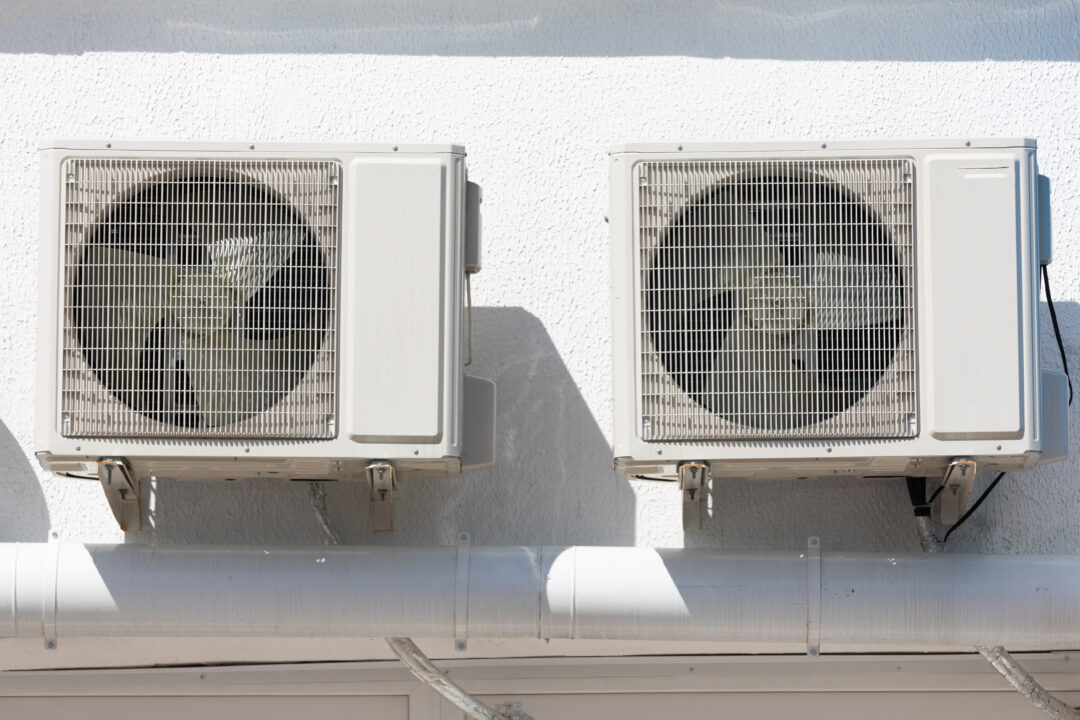
Heat Pump: Heating and Cooling in One
- A heat pump is a two-way system capable of both heating and cooling your home from a single unit.
- In cooling mode, it functions identically to an air conditioner, moving heat from inside your home to the outdoors.
- In heating mode, it reverses this process. It extracts heat energy from the outdoor air (even in very cold temperatures) and transfers it indoors to warm your home. This is made possible by a special component called a “reversing valve.”
- Because it transfers heat rather than generates it, a heat pump is incredibly energy-efficient, especially compared to electric resistance heating.
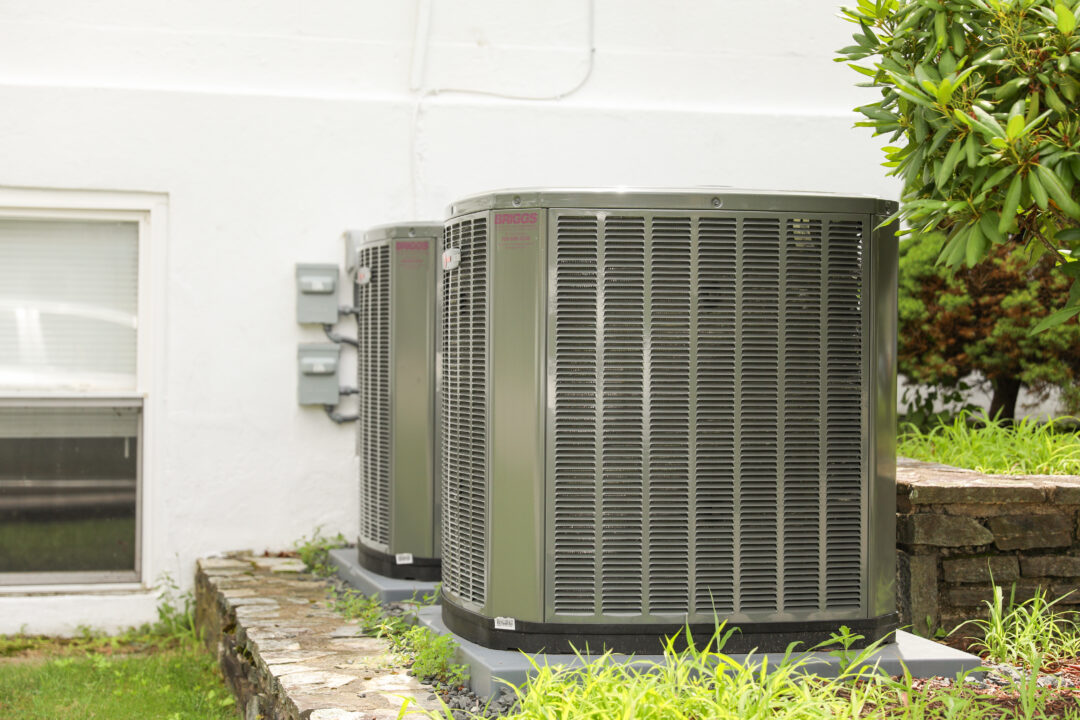
The core difference is that a heat pump offers year-round climate control, while an air conditioner is a seasonal cooling-only appliance.
Cooling capabilities: Are they the same?
Yes, when it comes to cooling, heat pumps and air conditioners are fundamentally the same.
- Identical Process: Both systems use the same refrigeration cycle, employing refrigerant to absorb heat from your indoor air and release it outdoors. They share many of the same core components (compressor, evaporator coil, condenser coil, expansion valve) for cooling.
- Similar Efficiency: A heat pump, when operating in cooling mode, will have comparable energy efficiency (measured by SEER2 – Seasonal Energy Efficiency Ratio 2) to a dedicated air conditioner of the same rating. So, if you compare a heat pump with a SEER2 of 18 to an AC unit with a SEER2 of 18, their cooling performance and energy consumption will be very similar.
- Dehumidification: Both systems also effectively dehumidify the air as part of the cooling process, making your home feel more comfortable.
Therefore, you will not sacrifice cooling performance by choosing a heat pump over a standalone air conditioner.
Can heat pumps replace furnaces?
Yes, a modern heat pump can absolutely replace a traditional furnace as the primary heating source for your home, especially in mild to moderate climates.
- How They Heat: Unlike furnaces that burn fuel (natural gas, oil, propane) or use electric resistance to create heat, heat pumps move existing heat. This heat transfer is significantly more energy-efficient.
- Efficiency in Heating: For every unit of electricity consumed, a heat pump can deliver 2 to 4 (or even more) units of heat energy into your home. This makes them significantly more efficient than electric resistance furnaces (which are 100% efficient, converting all electricity to heat) and often more efficient than even high-efficiency gas furnaces, depending on electricity and gas prices in your area.
- Cold Climates: Advances in “cold climate” heat pump technology have made them highly effective even in regions with sub-freezing temperatures. Many heat pump installations in colder areas are “dual-fuel” or “hybrid” systems, where the heat pump handles most of the heating, and an existing furnace (gas, oil, or electric) acts as a supplemental or “backup” heat source during extreme cold snaps. This optimizes efficiency by using the heat pump when it’s most effective and the furnace for peak demand.
- Environmental Benefits: Replacing a fossil-fuel furnace with an electric heat pump significantly reduces your home’s carbon emissions, contributing to a greener environment.
For many homeowners, especially those looking to reduce their reliance on fossil fuels, a heat pump is an excellent and increasingly popular choice to replace both their furnace and air conditioner.
Installation & maintenance differences
While sharing many similarities, there are some notable differences in installation and maintenance:
Installation:
- Air Conditioner + Furnace: Typically involves installing an outdoor AC condenser unit, an indoor evaporator coil (usually placed on top of a furnace), and a furnace unit. This requires connecting both to the ductwork and ensuring proper fuel lines (for gas/oil furnaces) and electrical connections.
- Heat Pump: Involves installing a single outdoor heat pump unit and an indoor air handler (which contains the evaporator coil and blower). This single system connects to your home’s electrical supply and ductwork. For a full replacement, existing furnaces might be removed or retained as auxiliary heat. While the upfront cost of a heat pump unit can sometimes be higher than a standalone AC, the combined cost of a new AC and furnace is often comparable to or even higher than a heat pump system.
- Ductwork: Both central ACs and heat pumps typically use the same ductwork. However, if your existing ductwork is old, leaky, or improperly sized for a modern, high-efficiency heat pump, upgrades might be necessary to ensure optimal performance.
Maintenance:
- Air Conditioner: Requires at least one professional tune-up per year, ideally in the spring before the cooling season.
- Heat Pump: Recommended to have two professional tune-ups per year—one in the spring (for cooling season readiness) and one in the fall (for heating season readiness). This is because heat pumps operate year-round, performing both heating and cooling functions, thus experiencing more wear and tear than a cooling-only AC unit.
- Homeowner Maintenance: Both systems require regular air filter changes (monthly or every 1-3 months) and keeping the outdoor unit clear of debris.
While heat pumps have a slightly higher maintenance frequency, their year-round efficiency often offsets this cost in energy savings.
Which system is right for you?
The best choice between an air conditioner (plus furnace) and a heat pump depends on several factors specific to your home and climate:
- Your Climate:
- Very Hot Climates (with no significant heating needs): If you live in a region where heating is rarely, if ever, needed, a high-efficiency central air conditioner might be a simpler and more cost-effective choice.
- Mild to Moderate Climates (where temperatures rarely drop below 20-30°F for extended periods): A heat pump is an excellent choice. It provides highly efficient heating and cooling throughout the year, often with lower overall energy costs than separate systems.
- Cold Climates (with harsh winters): Modern cold-climate heat pumps are very capable. They can often be the primary heat source, possibly with a supplemental furnace (dual-fuel system) for the coldest days. This offers significant energy savings over conventional furnaces alone, even in very cold regions.
- Existing Equipment:
- Existing, Efficient Furnace: If your current furnace is relatively new, efficient, and in good working order, you might opt to replace only your old AC unit with a new high-efficiency AC, keeping your existing furnace.
- Old, Inefficient Furnace/AC: If both your furnace and AC are old and inefficient, or if you only have one and need to add the other, a heat pump is a strong candidate for an all-in-one upgrade.
- Energy Efficiency Goals: If minimizing your carbon footprint and maximizing energy savings are top priorities, a heat pump is generally the superior choice due to its highly efficient heat transfer process.
- Upfront vs. Long-Term Costs: While the initial installation cost for a heat pump can sometimes be slightly higher than a standalone AC, the significant long-term energy savings and potential for federal tax credits and local rebates often make heat pumps a more financially attractive option over the system’s lifespan.
- Space and Simplicity: A single heat pump system takes up less space and simplifies your HVAC setup compared to having two separate units (furnace and AC).
- Fuel Availability/Cost: If you don’t have natural gas access or rely on expensive fuels like propane or oil, an electric heat pump offers a cleaner and often more affordable heating alternative.
Choosing the right system for your home requires careful consideration of these factors. For a personalized assessment and expert recommendation, MJ Pro Energy is ready to help you determine whether a heat pump or an air conditioner (with a furnace) is the perfect solution for your comfort and budget.
Ready to find the ideal heating and cooling system for your home? Contact MJ Pro Energy today for a comprehensive consultation!